
Table of Contents
Yoga Training in Chennai for Beginners: Complete Handbook
Starting systematic yoga training in Chennai for beginners involves navigating a highly rich, historic landscape of classical lineages, state-of-the-art boutique studios, and refreshing open-air settings. For an absolute newcomer, the city offers dedicated introductory courses focused heavily on foundational structural alignment, safe sequencing, joint loosening techniques, and accessible breath control. Modern life demands high levels of scheduling adaptability; in Chennai, options such as Outdoor Yoga Chennai offer structured outdoor and online yoga sessions for different needs. By selecting an introductory environment that matches your lifestyle, you can cultivate a structurally safe, consistent, and highly personalized regular practice.
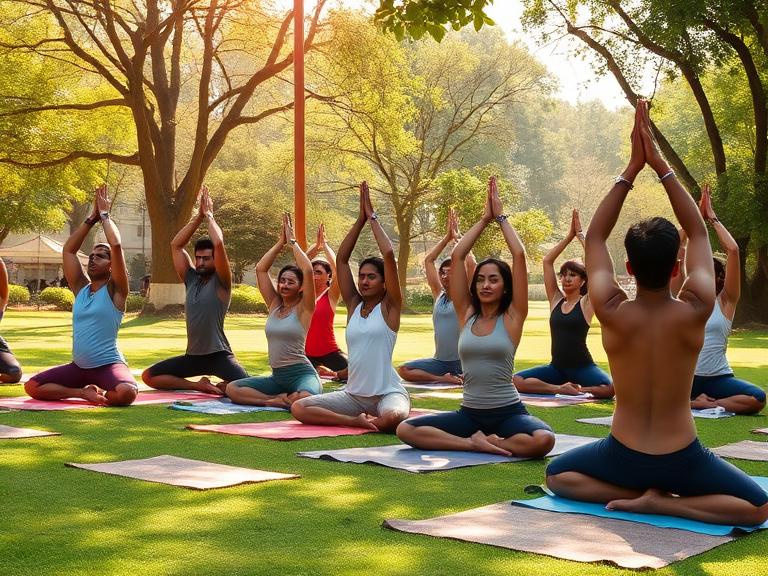
Why Yoga Is Popular in Chennai
The deep affinity for regular yoga training across the Chennai metropolitan area is a natural consequence of the city’s unique cultural identity, demographic shifts, and environmental realities. Rather than existing as a transient fitness fad, structured mind-body training is a fundamental pillar of local preventative health.
The Anchor of Classical Authenticity
Residents hold an exceptionally high standard for educational and wellness instruction. The city is globally recognized as the historic home of some of the most rigorous, lineage-based yoga organizations in modern history. This baseline of authenticity means that even basic beginner programs in local neighborhoods prioritize precise anatomical alignment, philosophical depth, and therapeutic safety over superficial physical exercise.
Countering the Physical Strains of Local Industries
As a major industrial powerhouse, financial nucleus, and technological hub, the city’s professional landscape presents specific lifestyle challenges. Long commutes along the Old Mahabalipuram Road (OMR) or Mount Road, paired with prolonged desk bound corporate schedules, have led to a rise in chronic postural imbalances, lumbar strain, and high mental fatigue. Newcomers turn to structured yoga training as a systematic way to release physical tension, recalibrate their nervous systems, and restore healthy postural mechanics.
Adapting to Regional Weather Patterns
The regional climate remains warm and highly humid throughout most of the year. High-intensity indoor gym workouts can occasionally lead to excessive heat exhaustion or cardiovascular overexertion for unconditioned individuals. Classical yoga training offers an incredibly sustainable alternative, allowing beginners to build core strength, metabolic efficiency, and joint mobility through controlled movements and cooling breathing patterns that complement the regional weather.
Types of Yoga Classes Available in Chennai
The operational structure of beginner-focused training in the city is intentionally varied, ensuring that individuals across all age brackets and baseline physical conditions can find an entry point that feels safe and encouraging.
- Beginner-Friendly Programs: These introductory tracks feature slow-paced, methodical instruction that avoids complex postures. They emphasize the Sukshma Vyayama (gentle joint loosening series) to prepare stiff muscles, teach safe transitions, and build fundamental somatic awareness.
- Studio-Based Yoga: Traditional indoor classrooms provide a distraction-free, quiet sanctuary. These spaces use specialized non-slip flooring, ambient lighting, and comprehensive arrays of props to allow absolute beginners to focus entirely on their personal form under the direct line of sight of their instructor.
- Outdoor Yoga: Utilizing the scenic public parks, coastal stretches, and quiet green terraces during dawn or dusk, open-air sessions leverage the natural environment. The fresh air enhances deep oxygenation, while practicing on natural surfaces supports tactile grounding and mood elevation.
- Online Yoga Classes: Live, interactive virtual programs cater perfectly to home-makers, corporate professionals, and those with unpredictable travel demands. High-quality interactive formats allow teachers to offer real-time postural tracking and verbal corrections directly into the practitioner’s home space.
- Yoga for Women: Tailored programs target specific physiological milestones, providing dedicated care for pelvic floor strength, prenatal structural preparation, postnatal rehabilitation, and endocrine regulation in a private, supportive atmosphere.
What to Look for in a Good Yoga Class or Institute
For an absolute newcomer, the initial experience sets the tone for their lifelong relationship with wellness. When evaluating local training centers or courses, look for these critical institutional indicators:
Faculty Certification and Pedagogical Training
A safe beginner program requires instructors who hold formal degrees in Yogic Sciences or extensive credentials from globally recognized bodies. Instructors must possess deep knowledge of functional anatomy and musculoskeletal modifications to guide unconditioned or stiff individuals without causing strains.
Low Student-to-Teacher Ratios
In large, overcrowded fitness classes, individual alignment can easily be overlooked. A quality center limits its beginner intake per batch, ensuring that the lead trainer can personally observe every student’s form, provide individual prop adjustments, and tailor variations in real time.
Methodical Syllabus Progression
Avoid drop-in classes that treat every session as an isolated workout with random sequencing. Premier training programs offer a progressive curriculum that builds step-by-step over several weeks, mastering basic spinal movements and breath coordination before introducing complex multi-joint balancing flows.
Inclusivity and Use of Supportive Props
A welcoming institute treats flexibility as a gradual result, not a prerequisite. Ensure the facility is fully equipped with high-density foam or wooden blocks, cotton straps, yoga bolsters, and wall mounts. These tools allow individuals with structural restrictions to experience the physiological benefits of a posture safely.
+-------------------------------------------------------------+
|               BEGINNER REGULAR TRAINING CHECKLIST           |
+-------------------------------------------------------------+
| [ ] Certified, experienced faculty (AYUSH / Yoga Alliance)  |
| [ ] Low student-to-teacher ratio (Max 15-20 per class)       |
| [ ] Mandatory health intake assessment before practice      |
| [ ] Ample availability of supportive props (blocks, straps) |
| [ ] Clear, progressive curriculum across multiple weeks     |
+-------------------------------------------------------------+
Who Benefits Most From Yoga Classes
Systematic introductory yoga training offers highly targeted, preventative solutions for diverse populations across the modern metropolitan landscape:
Absolute Fitness Newcomers
Individuals who have spent years away from active physical exercise find classical yoga to be a highly accessible entry point. Because the practice avoids aggressive impact or competitive pacing, beginners can develop spatial awareness, joint range of motion, and physical endurance without risking acute injuries.
IT and Corporate Professionals
Desk-bound workers who experience chronic upper cross syndrome, lower back stiffness, compressed lumbar discs, or regular mental burnout benefit significantly. Targeted sequencing lengthens shortened chest muscles, activates weak gluteal chains, and stimulates the parasympathetic nervous system to clear mental fatigue.
Seniors and Older Adults
Gentle, specialized training introduces a low-impact method to stimulate the production of synovial fluid within aging joints. This focus enhances bone density, improves single-leg stability to prevent accidental falls, and optimizes cardiovascular circulation safely.
Individuals Managing Daily Stress
People seeking a mental sanctuary from urban chaos find deep relief through integrated mindfulness components. Learning to synchronize conscious physical movement with deep abdominal breathing triggers an immediate reduction in circulating stress hormones, helping to settle overactive thoughts.
When Online or Outdoor Yoga Makes Sense
The evolution of modern instruction has created diverse environmental choices. Selecting between a virtual platform or an open-air natural environment depends on an individual’s lifestyle constraints, sensory needs, and personal goals.
| Analytical Vector | Outdoor Open-Air Training | Online Interactive Training |
| Environmental Context | Natural parks, sea breezes, open sky | Private home comfort, climate-controlled |
| Schedule Adaptability | Fixed early mornings or sunset hours | Maximum flexibility, customizable slots |
| Commuting Requirements | Travel required to specific local green zones | Zero travel; instant digital connection |
| Sensory Engagement | Tactile connection with nature, birdsong | Quiet, predictable, highly focused space |
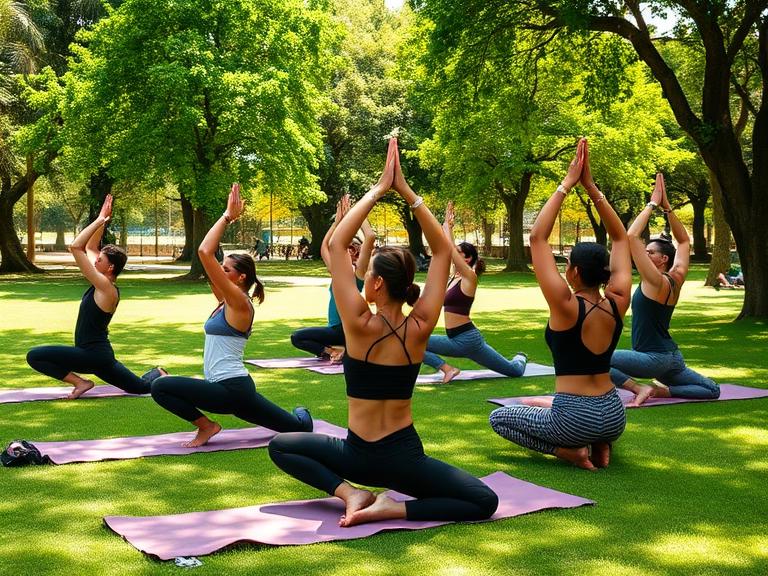
Outdoor training is highly beneficial for professionals who spend their entire day inside concrete corporate spaces under artificial blue lighting. Breathing fresh air in an open environment re-establishes natural circadian rhythms, lowers psychological resistance, and deepens respiratory lung capacity.
Conversely, live interactive online portals serve as an ideal choice for busy parents, frequent business travelers, or anyone looking to cut down on morning travel time. It offers a private, comfortable space where an individual can master foundational postures at their own pace without feeling self-conscious. For practitioners seeking to blend these two formats, modern setups like Outdoor Yoga Chennai provide highly versatile pathways, delivering both professionally guided outdoor morning classes and flexible live digital modules to ensure consistent practice through any changing weekly schedule.
FAQs
What should a total beginner expect in their very first yoga training session in Chennai?
The first session focuses primarily on an intake health check, introduction to seated posture alignment, basic breathing awareness, and gentle joint loosening movements. Instructors prioritize showing you how to sit and move comfortably without forcing your muscles.
Are morning or evening training batches more effective for absolute beginners?
Both are highly effective but serve different needs. Morning batches (5:30 AM – 7:30 AM) leverage cooler temperatures and empty stomachs to build natural physical energy. Evening batches (5:30 PM – 7:30 PM) focus on releasing muscular tension accumulated from desk work and calming the mind for restful sleep.
Do I need to be naturally flexible to start beginner yoga training?
No, flexibility is a result of regular training, not a requirement to start. Beginner modules are specifically designed for individuals with stiff joints or limited ranges of motion, using variations to ensure safety.
How many sessions per week should a beginner attend to see a real change?
A frequency of 2 to 3 sessions per week is ideal for a beginner. This cadence provides a consistent rhythm for muscle memory and neurological adaptation while allowing your body sufficient time to recover between training days.
What style of yoga is safest for a newcomer to begin with?
Hatha Yoga is widely considered the safest foundational style for beginners. It features a slower, deliberate pace where postures are held statically, allowing ample time to learn correct alignment, safety adjustments, and breathing coordination.
Can individuals with chronic lower back pain join a general beginner training program?
If you have chronic back pain or disc issues, it is essential to undergo a personal assessment first. While gentle yoga can strengthen the core and relieve back stiffness, certain forward bends or deep twists are contraindicated and must be modified by a certified professional.
What kind of mat should a beginner buy for local training?
Look for a non-slip PVC or eco-friendly rubber mat with a thickness of 4mm to 6mm. This thickness provides adequate cushioning for your knees and spine during floor postures without compromising stability during standing balancing poses.
Is it normal to experience muscle soreness after starting a new yoga program?
Yes, experiencing mild muscle soreness (Delayed Onset Muscle Soreness, or DOMS) is entirely normal during the first two weeks. This is simply your deep stabilizing muscles adapting to new movement patterns and stretching lines.
Are online beginner classes effective without an instructor physically present?
Yes, live two-way interactive classes are highly effective. As long as your camera is positioned correctly to show your full body profile, a trained instructor can easily spot structural alignment issues and offer clear verbal corrections.
How long should I wait to practice yoga after having a main meal?
You should maintain a gap of at least 3 to 4 hours after a heavy meal before practicing. For light snacks or fruit, a gap of 45 to 60 minutes is sufficient to ensure you do not experience digestive discomfort during physical movement.
What should I wear to my first local training session in the humid climate?
Opt for lightweight, stretchable, and highly breathable fabrics such as organic cotton or moisture-wicking athletic blends. Avoid overly loose or baggy shirts that can obstruct your view of your alignment or slide over your face during inverted postures.
Are outdoor yoga training sessions safe during the summer season?
Yes, because professional outdoor sessions are conducted strictly at dawn, finishing before the sun creates excessive ambient heat. This allows you to practice in the coolest, fresher morning air before the humidity peaks.
Can pregnant women join a standard beginner yoga training course?
No, expecting mothers should join specialized prenatal yoga classes instead. Standard beginner programs include postures, twists, and core compressions that are unsafe during pregnancy, whereas prenatal tracks are specifically curated for maternal safety.




Leave a Comment