
Table of Contents
EV Charger Maintenance Services | Reliable EV Charger Support
EV Charger Maintenance Services help ensure electric vehicle charging stations operate safely, efficiently, and reliably throughout their lifecycle. These services include routine inspections, preventive maintenance, software updates, electrical testing, diagnostics, repairs, and Annual Maintenance Contracts (AMC) for AC EV chargers, DC fast chargers, commercial charging stations, residential chargers, and public charging infrastructure.
As electric vehicle adoption continues to grow, reliable charging infrastructure has become one of the most important components of sustainable transportation. Installing an EV charger is only the beginning; regular maintenance is equally important to ensure consistent performance, user safety, and long-term reliability.
Whether it is a home charger, workplace charging station, fleet charging depot, or public fast-charging hub, every charging system experiences wear and tear over time. Environmental conditions, electrical loads, frequent usage, and software requirements all influence the health of EV charging equipment.
Professional EV Charger Maintenance Services help identify potential issues before they become major problems, reduce unexpected downtime, improve equipment lifespan, and ensure a better charging experience for EV owners.
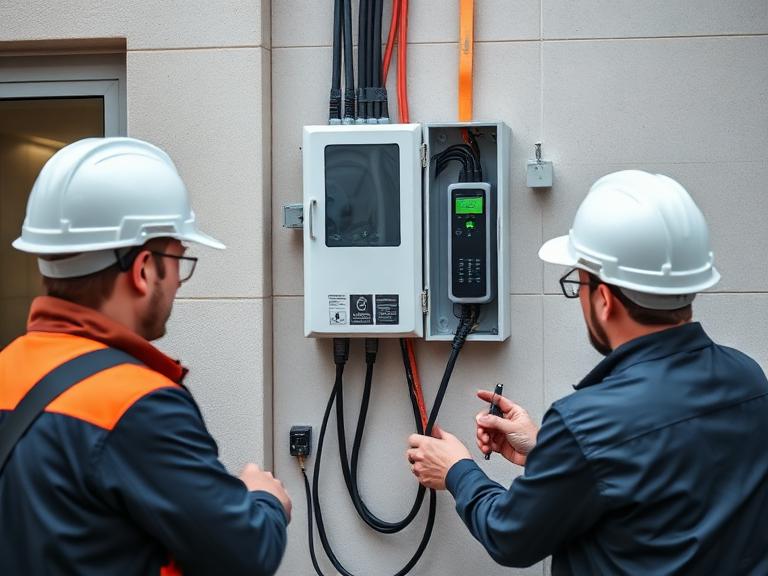
Why EV Charger Maintenance Matters
Like any electrical infrastructure, EV charging stations require periodic inspections and servicing to maintain optimal performance.
Without routine maintenance, charging stations may experience:
- Reduced charging efficiency
- Unexpected downtime
- Connector wear
- Communication failures
- Software issues
- Electrical faults
- Increased repair costs
- Safety risks
A proactive maintenance strategy minimizes these risks while improving charger reliability.
What Are EV Charger Maintenance Services?
EV Charger Maintenance Services involve a range of technical activities designed to keep charging equipment operating safely and efficiently.
These services typically include:
- Routine inspections
- Preventive maintenance
- Electrical testing
- Software and firmware updates
- Charger diagnostics
- Performance optimization
- Repair services
- Emergency support
- Annual Maintenance Contracts (AMC)
- Remote monitoring
The objective is to maximize uptime, ensure user safety, and extend the service life of charging infrastructure.
Types of EV Chargers That Require Maintenance
Professional maintenance services support various charger types.
AC EV Chargers
AC chargers are widely used in:
- Homes
- Apartments
- Offices
- Hotels
- Educational institutions
- Healthcare facilities
Routine maintenance helps maintain safe and efficient overnight charging.
DC Fast Chargers
DC fast chargers are commonly installed at:
- Public charging stations
- Highways
- Fleet depots
- Commercial charging hubs
- Fuel stations
- Industrial facilities
Because these chargers handle higher power levels and greater usage, they often require more frequent inspections and servicing.
Smart EV Chargers
Smart chargers include advanced technologies such as:
- Wi-Fi connectivity
- Mobile app integration
- Cloud communication
- RFID authentication
- Energy monitoring
Maintenance ensures these digital features continue to function correctly.
Components Inspected During Maintenance
Professional technicians inspect multiple components to ensure charger reliability.
Key inspection areas include:
Charging Connectors
Technicians examine connectors for:
- Physical damage
- Excessive wear
- Loose fittings
- Dirt accumulation
- Corrosion
Clean and undamaged connectors help maintain safe charging.
Charging Cables
Charging cables are inspected for:
- Cracks
- Cuts
- Abrasion
- Flexibility
- Connector integrity
Damaged cables should be repaired or replaced promptly.
Mounting Structures
Technicians verify:
- Secure mounting
- Structural stability
- Fastener condition
- Weather protection
Proper mounting protects charging equipment from environmental damage.
Electrical Connections
Maintenance includes checking:
- Wiring integrity
- Terminal tightness
- Voltage stability
- Current flow
- Circuit protection
Reliable electrical connections reduce operational risks.
Circuit Protection Devices
Protective components such as circuit breakers and Residual Current Devices (RCDs) are tested to ensure they respond correctly during fault conditions.
Preventive Maintenance
Preventive maintenance focuses on identifying issues before equipment fails.
Typical preventive activities include:
- Visual inspections
- Cleaning
- Electrical testing
- Software updates
- Performance verification
- Connector servicing
- Cable inspections
- Earthing verification
Preventive maintenance reduces costly emergency repairs.
Corrective Maintenance
Corrective maintenance is performed when faults are identified.
Examples include:
- Connector replacement
- Cable replacement
- Circuit repairs
- Software troubleshooting
- Communication restoration
- Display replacement
- Internal component repairs
Prompt corrective maintenance minimizes charger downtime.
Predictive Maintenance
Modern EV charging infrastructure increasingly uses predictive maintenance.
Using remote monitoring and diagnostics, operators can identify developing issues before they cause failures.
Predictive maintenance may analyze:
- Temperature trends
- Charging performance
- Error logs
- Communication status
- Component health
- Usage patterns
This approach improves maintenance efficiency and equipment reliability.
Software and Firmware Updates
Many EV chargers rely on intelligent software to manage charging operations.
Routine updates provide:
- Enhanced security
- Improved compatibility
- New functionality
- Performance optimization
- Bug fixes
- Better user experience
Keeping firmware up to date ensures the charging station remains compatible with newer electric vehicles and evolving charging standards.
Remote Monitoring
Smart charging systems support remote monitoring through cloud-based platforms.
Operators can monitor:
- Charger availability
- Charging sessions
- Fault notifications
- Power consumption
- Utilization rates
- Software status
- Network connectivity
Remote monitoring enables faster issue detection and response.
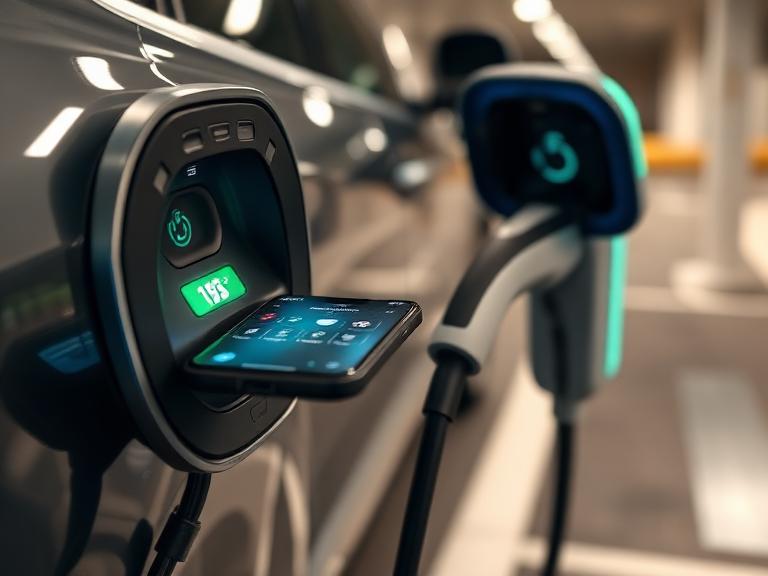
Benefits of Professional EV Charger Maintenance
Investing in regular maintenance provides several long-term advantages:
- Improved charger reliability
- Enhanced electrical safety
- Longer equipment lifespan
- Reduced operational downtime
- Better charging efficiency
- Lower repair costs
- Improved customer satisfaction
- Compliance with manufacturer recommendations
- Increased return on infrastructure investment
For businesses operating public or commercial charging stations, consistent maintenance also helps build user confidence and ensures a dependable charging experience.
Why Choose ZyCharge Energies Pvt. Ltd.?
Maintaining EV charging infrastructure requires specialized technical expertise and a proactive service approach. ZyCharge Energies Pvt. Ltd. provides comprehensive EV Charger Maintenance Services, including preventive inspections, diagnostics, software updates, repair support, Annual Maintenance Contracts (AMC), and ongoing technical assistance for AC EV chargers, DC fast chargers, and smart charging systems.
With a focus on reliability, safety, and long-term performance, ZyCharge helps homeowners, businesses, fleet operators, and commercial property owners maximize the value and uptime of their EV charging infrastructure.
Annual Maintenance Contracts (AMC) for EV Chargers
An Annual Maintenance Contract (AMC) is one of the most effective ways to ensure the long-term performance and reliability of EV charging infrastructure. Instead of waiting for equipment failures, an AMC provides scheduled inspections, preventive maintenance, software support, and priority technical assistance throughout the year.
For organizations operating multiple charging stations, an AMC helps reduce downtime, improve charger availability, and control maintenance costs.
Typical AMC Services Include
- Scheduled preventive maintenance visits
- Electrical inspection and testing
- Charger cleaning and servicing
- Connector and cable inspection
- Firmware and software updates
- Performance testing
- Remote diagnostics
- Priority breakdown support
- Spare parts recommendations
- Maintenance reports and documentation
Recommended EV Charger Maintenance Schedule
Maintenance frequency depends on charger type, usage levels, and installation environment.
| Maintenance Activity | Recommended Frequency |
|---|---|
| Visual inspection | Weekly |
| Charger cleaning | Monthly |
| Connector inspection | Monthly |
| Cable inspection | Monthly |
| Electrical testing | Quarterly |
| Firmware updates | As released by manufacturer |
| Performance testing | Quarterly |
| Complete preventive maintenance | Every 6 months |
| Annual safety inspection | Once every year |
High-traffic public charging stations may require more frequent inspections than residential installations.
Common EV Charger Problems
Even high-quality EV charging equipment can develop issues over time. Early detection helps prevent larger failures.
1. Charger Not Powering On
Possible causes:
- Power supply interruption
- Tripped circuit breaker
- Internal electrical fault
- Loose wiring
2. Charging Stops Unexpectedly
Potential reasons include:
- Vehicle communication errors
- Cable connection issues
- Software faults
- Power fluctuations
3. Slow Charging Speed
Possible causes:
- Electrical supply limitations
- Charger configuration issues
- Connector wear
- Vehicle charging restrictions
4. Network Connectivity Issues
Smart chargers may lose connectivity due to:
- Wi-Fi failures
- SIM/network interruptions
- Cloud communication errors
- Router configuration problems
5. Authentication Failure
Users may experience login or RFID access issues because of:
- Card registration problems
- Software synchronization delays
- User account errors
6. Damaged Charging Connector
Frequent use may result in:
- Bent pins
- Physical wear
- Dust accumulation
- Moisture exposure
Regular inspection helps avoid charging interruptions.
Troubleshooting Process
Professional technicians follow a systematic troubleshooting approach.
Step 1: Visual Inspection
Inspect:
- Charger enclosure
- Connectors
- Cables
- Display screen
- Indicator lights
Step 2: Electrical Testing
Verify:
- Voltage
- Current
- Earthing
- Circuit protection
- Power quality
Step 3: Software Diagnostics
Check:
- Error logs
- Firmware version
- Network status
- Communication systems
Step 4: Functional Testing
Perform complete charging tests using compatible EVs to verify proper operation.
Safety Standards for EV Charger Maintenance
Every maintenance activity should prioritize user and equipment safety.
Professional service teams follow best practices such as:
- Lockout/tagout procedures before servicing
- Use of insulated tools
- Personal protective equipment (PPE)
- Verification of electrical isolation
- Testing of earthing systems
- Inspection of surge protection devices
- Weatherproof enclosure checks
- Compliance with applicable electrical regulations
Proper safety procedures reduce the risk of electrical hazards and equipment damage.
Cost Factors Affecting Maintenance
The cost of EV Charger Maintenance Services depends on several factors.
| Factor | Description |
|---|---|
| Charger Type | DC fast chargers generally require more extensive maintenance than AC chargers. |
| Number of Chargers | Larger networks require more service time and resources. |
| Usage Frequency | High-utilization chargers may need more frequent inspections. |
| Installation Environment | Outdoor chargers may require additional weather-related maintenance. |
| Spare Parts | Replacement components influence maintenance costs. |
| Software Support | Smart charging platforms may require ongoing software management. |
| Service Level Agreement | Response times and support levels affect AMC pricing. |
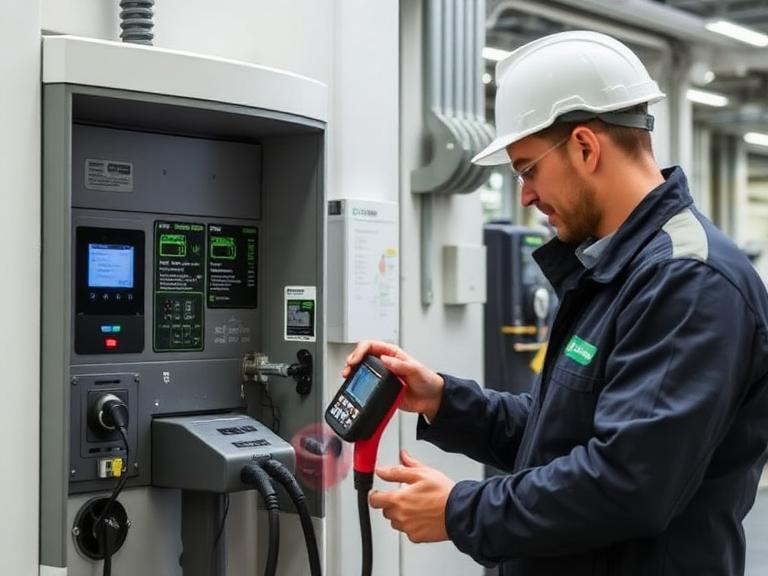
Best Practices for EV Charger Maintenance
To maximize performance and lifespan:
- Conduct regular visual inspections.
- Keep chargers clean and free from debris.
- Inspect connectors and cables for wear.
- Install firmware updates promptly.
- Monitor charger performance remotely.
- Address minor faults before they become major issues.
- Schedule preventive maintenance instead of relying on reactive repairs.
- Maintain accurate service records.
- Train staff on proper charger usage.
- Use qualified technicians for servicing.
Future Trends in EV Charger Maintenance
The maintenance of EV charging infrastructure is becoming more intelligent through digital technologies.
Key trends include:
- AI-based fault detection
- Predictive maintenance using analytics
- IoT-enabled charger monitoring
- Remote firmware updates
- Digital maintenance logs
- Automated performance reporting
- Cloud-based asset management
- Integration with renewable energy systems
- Battery storage monitoring
- Advanced cybersecurity for connected chargers
These innovations improve reliability while reducing maintenance costs and downtime.
Why Choose ZyCharge Energies Pvt. Ltd.?
Maintaining EV charging infrastructure requires technical expertise, timely service, and a proactive maintenance strategy. ZyCharge Energies Pvt. Ltd. offers professional EV Charger Maintenance Services for residential, commercial, industrial, fleet, and public charging stations.
The company provides preventive maintenance, Annual Maintenance Contracts (AMC), charger diagnostics, software updates, repair support, and technical assistance for AC EV chargers, DC fast chargers, and smart charging systems. By focusing on safety, performance, and long-term reliability, ZyCharge helps customers keep their EV charging infrastructure operating efficiently.
Frequently Asked Questions (FAQs)
1. What are EV Charger Maintenance Services?
They include inspections, testing, preventive maintenance, repairs, software updates, and technical support to keep EV chargers operating safely and efficiently.
2. Why is regular EV charger maintenance important?
Regular maintenance reduces downtime, improves safety, extends equipment lifespan, and ensures consistent charging performance.
3. How often should an EV charger be serviced?
Residential chargers are typically serviced every 6–12 months, while commercial and public chargers may require quarterly or more frequent maintenance depending on usage.
4. What is included in preventive maintenance?
Preventive maintenance includes cleaning, connector inspection, electrical testing, firmware updates, cable inspection, and performance verification.
5. What is an Annual Maintenance Contract (AMC)?
An AMC is a service agreement that provides scheduled inspections, preventive maintenance, technical support, and priority repair services throughout the year.
6. Do AC and DC chargers require different maintenance?
Yes. DC fast chargers generally require more extensive maintenance because they operate at higher power levels and experience heavier usage.
7. Can software updates improve charger performance?
Yes. Firmware updates improve security, compatibility, performance, and system stability.
8. What causes EV charger failures?
Common causes include electrical faults, damaged connectors, cable wear, software issues, communication failures, and environmental exposure.
9. Can EV chargers be monitored remotely?
Yes. Smart chargers support remote monitoring, diagnostics, usage analytics, and software management through cloud platforms.
10. Is maintenance necessary for home EV chargers?
Yes. Even residential chargers benefit from periodic inspections to ensure electrical safety and reliable performance.
11. What should I do if my EV charger stops working?
Check the power supply, inspect visible cables and connectors, review error messages, and contact a qualified service provider if the issue persists.
12. Can damaged charging cables be repaired?
Depending on the damage, cables may be repaired or replaced. Replacement is often recommended for safety-critical damage.
13. How does preventive maintenance reduce costs?
Preventive maintenance identifies minor issues early, reducing expensive repairs, unexpected downtime, and component failures.
14. Are EV charger maintenance services suitable for commercial charging stations?
Yes. Commercial charging stations require regular maintenance to maintain uptime, customer satisfaction, and operational efficiency.
15. Why should I choose professional EV Charger Maintenance Services?
Professional service providers have the expertise, tools, and diagnostic capabilities to maintain charging infrastructure safely, efficiently, and in accordance with manufacturer recommendations.
Conclusion
EV charging infrastructure represents a long-term investment in sustainable transportation. Regular maintenance is essential to protect that investment, ensure safety, and deliver a reliable charging experience for EV owners.
By implementing preventive maintenance, timely software updates, routine inspections, and professional support, organizations and homeowners can maximize charger performance while minimizing downtime and unexpected repair costs.


Leave a Comment