
Table of Contents
Hydraulic Lift Installation Hyderabad | Home & Villa Lifts Cost
The architectural landscape of Hyderabad has experienced a transformation. Independent luxury villas, modern duplexes, multi-story commercial showrooms, and boutique corporate offices have redefined the urban skyline across neighborhoods like Jubilee Hills, Banjara Hills, Madhapur, Gachibowli, and Kompally. As properties expand vertically over limited footprints, integrated vertical transportation has evolved from a luxury option into an essential architectural component.
For low-to-mid-rise residential and commercial properties (up to G+4 floors), Hydraulic Lift Installation in Hyderabad offers a practical engineering solution. Hydraulic systems eliminate the need for overhead machine rooms, require minimal pit depths, run quietly, and feature straightforward power-off lowering mechanics.
This technical guide provides property owners, structural engineers, architects, and building developers with a clear overview of fluid dynamics, mechanical configurations, cost factors, installation steps, and regulatory standards for hydraulic lifts in Telangana.
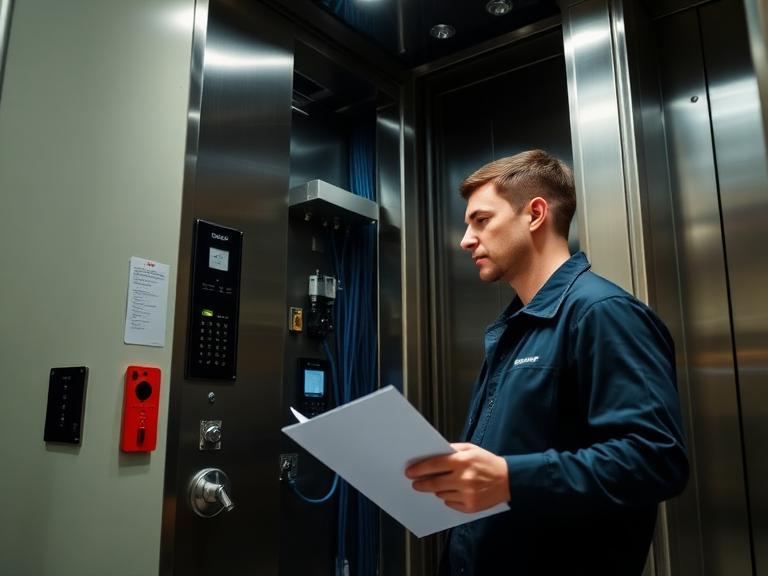
Mechanical Engineering & Working Principles of Hydraulic Lifts
Hydraulic lifts operate on Pascal’s Principle of Fluid Pressure, which states that pressure applied to an enclosed, incompressible fluid is transmitted equally in all directions.
Fluid Drive System Mechanics
- Hydraulic Power Unit (HPU): Contains a submerged oil motor, high-pressure screw/gear pump, hydraulic oil reservoir, and an integrated proportional control valve block.
- Hydraulic Cylinder & Piston: Precision-engineered steel cylinder housing a polished steel piston plunger. When pressurized hydraulic oil enters the cylinder casing, it forces the piston upward, raising the elevator cabin.
- Control Valve Assembly: Regulates fluid flow during acceleration, full-speed travel, deceleration, and floor-leveling. During descent, the electric motor remains off; the control valve opens electronically to allow oil to flow back into the tank under gravity, minimizing energy consumption during downward trips.
Key Classifications of Hydraulic Lift Systems
Selecting the right hydraulic system depends on travel height, architectural shaft space, and load capacity requirements.
                               ┌─────────────────────────────────────────┐
                               │   Hydraulic Lift System Options         │
                               └────────────────────┬────────────────────┘
                                                    │
        ┌──────────────────────────────┬────────────┴───────────────┬──────────────────────────────┐
        ▼                              ▼                            ▼                              ▼
┌─────────────────────────┐  ┌───────────────────┐  ┌──────────────────────────┐  ┌──────────────────────────┐
│ Direct-Acting (Side)    │  │ Direct (Borehole) │  │ Indirect (2:1 Roped)     │  │ Submerged Twin Piston    │
│  - Single/Twin Plungers │  │  - Cylinder buried│  │  - Wire Ropes & Sheaves  │  │  - Heavy Freight Capacity│
│  - No Borehole Required │  │    below Pit      │  │  - Doubles Travel Speed  │  │  - Balanced Load Shift   │
│  - Ideal for G+1/G+2    │  │  - Direct Under Car│  │  - Shorter Shaft Cylinder│  │  - Commercial/Industrial │
└─────────────────────────┘  └───────────────────┘  └──────────────────────────┘  └──────────────────────────┘
1. Direct-Acting Hydraulic Lifts (Side-Mounted)
In a side-mounted direct-acting configuration, one or two hydraulic cylinders are mounted alongside the elevator guide rails inside the hoistway shaft.
- Drive Ratio: 1:1 (1 meter of piston movement equals 1 meter of car travel).
- Key Advantages: Eliminates the need for deep ground boreholes underneath the pit, simplifies maintenance access, and provides direct load support.
- Best Suited For: Low-rise home villas, residential duplexes (G+1 to G+2), and compact space layouts.
2. Direct-Acting Hole-Type Hydraulic Lifts
In this system, the hydraulic cylinder is installed directly below the center of the elevator car floor, extending down into a drilled borehole in the pit floor.
- Drive Ratio: 1:1.
- Key Advantages: Exceptional mechanical stability and structural balance; ideal for heavy payloads.
- Best Suited For: Heavy industrial freight lifts, automobile display elevators, and heavy material hoists.
3. Indirect (2:1 Roped) Hydraulic Lifts
Indirect hydraulic systems utilize a shorter cylinder mounted inside the hoistway shaft, connected to steel wire ropes or flat belts passing over a pulley sheave attached to the piston head.
- Drive Ratio: 2:1 (1 meter of piston extension results in 2 meters of elevator cabin movement).
- Key Advantages: Reduces cylinder length requirement by half, increases overall travel speed, and allows installation across taller multi-story structures without deep pits.
- Best Suited For: G+3 to G+5 multi-story luxury villas, residential apartments, and boutique commercial offices.
Hydraulic Lift Installation Cost Breakdown in Hyderabad (2026)
Pricing for hydraulic lift installation varies depending on the number of stops, total travel height, cabin interior materials, drive ratio, and structural framing choices.
Estimated Cost Breakdown by Application
| Lift Configuration | Capacity (Kg / Passengers) | Travel Height (Stops) | Estimated Cost Range (INR) |
| Compact Villa Hydraulic Lift | 2-3 Persons (180 – 250 kg) | G+1 to G+2 | ₹6,00,000 – ₹11,50,000 |
| Standard Residential Home Lift | 4-6 Persons (300 – 408 kg) | G+2 to G+3 | ₹8,50,000 – ₹15,00,000 |
| Premium Panoramic Glass Villa Lift | 4-6 Persons (408 kg) | G+2 to G+4 | ₹12,00,000 – ₹22,00,000 |
| Commercial Hydraulic Passenger Lift | 6-10 Persons (408 – 680 kg) | G+2 to G+4 | ₹11,00,000 – ₹18,50,000 |
| Heavy Freight / Car Hydraulic Lift | 1000 kg – 3000 kg | G+1 to G+3 | ₹14,00,000 – ₹28,00,000+ |
Financial Planning Note: Prices are indicative estimated industry averages. Final costs depend on structural site preparation, custom finishes, taxes (GST 18%), and local authority licensing fees.
Primary Cost Drivers
- Piston Assembly & Cylinder Quality: Hard-chrome plated, corrosion-resistant pistons cost more up front but offer longer seal life and better leak prevention over time.
- Drive Unit & Valve Technology: Multi-stage proportional electronic valve controllers provide smoother acceleration and micro-leveling compared to basic mechanical dual-speed valves.
- Shaft Framing Options: Utilizing an existing reinforced concrete shaft keeps initial costs lower. Installing an independent self-supporting steel frame with glass panels increases total project investment.
- Cabin Interiordesign: Upgrading from standard brush-finish stainless steel (SS 304) to customized gold titanium, mirror etching, or safety glass adds to the cost.
Technical Advantages & Architectural Space Planning
Architects and property owners in Hyderabad often choose hydraulic systems over traction technology for low-rise applications due to several key spatial advantages:
                               ┌─────────────────────────────────────────┐
                               │ Architectural & Space Comparison        │
                               └────────────────────┬────────────────────┘
                                                    │
        ┌───────────────────────────────────────────┴───────────────────────────────────────────┐
        ▼                                                                                       ▼
┌──────────────────────────────┐                                                       ┌──────────────────────────────┐
│  HYDRAULIC ELEVATOR SYSTEM   │                                                       │ TRACTION (MRL) ELEVATOR SYSTEM│
├──────────────────────────────┤                                                       ├──────────────────────────────┤
│ • Zero Overhead Machine Room │                                                       │ • Headroom: 3800mm - 4200mm  │
│ • Pit Depth: 100mm - 300mm   │                                                       │ • Pit Depth: 1200mm - 1500mm │
│ • Flexible HPU Placement     │                                                       │ • Motor inside Shaft Top     │
│ • Low Structural Roof Load   │                                                       │ • Heavy Overhead Steel Beams │
│ • Gravity Lowering Backup    │                                                       │ • Complex Battery ARD Setup  │
└──────────────────────────────┘                                                       └──────────────────────────────┘
Architectural Advantages
- Elimination of Overhead Machine Rooms: Does not require a rooftop machine penthouse, preserving home exterior aesthetics and staying within municipal height restriction limits.
- Minimal Civil Pit Requirements: Requires a shallow pit depth of 100 mm to 300 mm. Can also be mounted directly on the finished floor using a small access ramp for zero-pit applications.
- Low Headroom Clearance: Operates effectively with top-floor headroom clearance of 2500 mm to 2800 mm, easily fitting beneath standard residential ceilings.
- Flexible Power Unit Location: The Hydraulic Power Unit (HPU) pump tank can be positioned up to 10 to 15 meters away from the elevator shaft (e.g., under stairs, in a garage, or in a utility room), keeping mechanical operating noise away from living areas.
- Structural Efficiency: Load weight is supported entirely by the concrete pit floor slab through the hydraulic cylinder rather than suspended from top overhead roof beams, reducing structural engineering demands on the building framework.
Technical Specifications & Hoistway Preparation Matrix
Proper civil and spatial preparation ensures a smooth installation process.
                    +-----------------------------------+  <-- Top Shaft Ceiling / Roof
                    |                                   |
                    |       Headroom Clearance          |
                    |         (2500 - 2800 mm)          |
                    |                                   |
                    +-----------------------------------+  <-- Top Landing Floor Level
                    |                                   |
                    |                                   |
                    |          Total Travel             |
                    |          (G+1 to G+4)             |
                    |                                   |
                    |                                   |
                    +-----------------------------------+  <-- Ground Landing Floor Level
                    |           Pit Depth               |
                    |         (100 - 300 mm)            |
                    +-----------------------------------+  <-- Pit Foundation Slab
Dimensional Matrix for Residential & Villa Hydraulic Lifts
| Passenger Capacity | Payload (Kg) | Clear Shaft Width x Depth (mm) | Cabin Inside Width x Depth (mm) | Pit Depth (mm) | Headroom Height (mm) |
| 2 Persons | 180 Kg | 1100 x 1100 | 800 x 800 | 100 – 150 | 2500 |
| 4 Persons | 300 Kg | 1350 x 1300 | 950 x 1000 | 150 – 200 | 2600 |
| 6 Persons | 408 Kg | 1500 x 1450 | 1100 x 1100 | 200 – 300 | 2700 |
| 8 Persons | 544 Kg | 1700 x 1600 | 1300 x 1200 | 300 | 2800 |
Essential Site Readiness Checklist
- [ ] Concrete pit floor slab constructed level, fully waterproofed, and reinforced to handle point loads.
- [ ] Plumb shaft walls constructed within +/- 5 mm variation from top to bottom.
- [ ] Adequate ventilation or conduit access provided for hydraulic fluid lines running between the shaft and the remote machine room location.
- [ ] Single-phase 230V or Three-phase 415V power supply line with dedicated MCB protection brought directly to the power unit location.
- [ ] Wall openings cutout at each landing level for door frames and hall call button boxes.
Multi-Tier Safety Mechanisms in Modern Hydraulic Lifts
Hydraulic lifts use multiple overlapping mechanical and hydraulic safety devices to protect passengers:
                     ┌─────────────────────────────────────────────────┐
                     │ Multi-Layer Hydraulic Safety Engineering        │
                     └────────────────────────┬────────────────────────┘
                                              │
 ┌──────────────────────┬─────────────────────┼─────────────────────┬──────────────────────┐
 ▼                      ▼                     ▼                     ▼                      ▼
┌──────────────────┐   ┌─────────────────┐   ┌─────────────────┐   ┌──────────────────┐   ┌──────────────────┐
│ Hydraulic Rupture│   │ Emergency Manual│   │ Pressure Relief │   │ Mechanical Safety│   │ Photo-Electric   │
│ Safety Valve     │   │ Lowering Valve  │   │ Protection      │   │ Gear Clamps      │   │ Door Sensors     │
│ - Instant Oil    │   │ - Gravity Return│   │ - Bypasses Oil  │   │ - Locks onto     │   │ - Full Height    │
│   Flow Shutoff   │   │   on Power Loss │   │   on Overload   │   │   Rails on drop  │   │   Light Curtain  │
└──────────────────┘   └─────────────────┘   └─────────────────┘   └──────────────────┘   └──────────────────┘
- Hydraulic Rupture Valve (Pipe-Burst Protection): Mounted directly to the cylinder oil inlet port. If fluid pressure drops suddenly due to a line break, the rupture valve locks fluid inside the cylinder instantly, stopping cabin descent.
- Emergency Manual Lowering Valve: During a power outage, a manual valve on the power unit can be opened to release fluid slowly back into the reservoir. This lowers the elevator car smoothly to the ground landing under controlled gravity without electrical power.
- Pressure Relief Valve (Overload Protection): Prevents the pump from building excessive pressure if cabin weight limits are exceeded, routing extra fluid back to the reservoir and keeping the lift stationary until the weight is reduced.
- Mechanical Safety Gear Clamps: For indirect 2:1 roped systems, a spring-loaded mechanical safety jaw grips the side guide rails if rope tension drops or overspeed occurs.
- Battery-Operated Emergency Rescue (UPS Backup): An automatic backup battery system activates during power cuts, lowering the lift car to the nearest floor, leveling it, and opening the doors automatically.
Step-by-Step Hydraulic Lift Installation Process
Hydraulic lift installation follows a systematic engineering process to ensure smooth operation, safety, and durability:
                            ┌──────────────────────────────────────┐
                            │  Systematic 6-Phase Erection Process │
                            └──────────────────┬───────────────────┘
                                               │
 ┌───────────────────────┐           ┌─────────▼─────────────┐           ┌───────────────────────┐
 │ Phase 1: Site Survey  ├──────────►│ Phase 2: Guide Rail   ├──────────►│ Phase 3: Cylinder &   │
 │ & Spatial Marking     │           │ & Bracket Erection    │           │ Piston Alignment      │
 └───────────────────────┘           └───────────────────────┘           └──────────┬────────────┘
                                                                                    │
 ┌───────────────────────┐           ┌───────────────────────┐                      │
 │ Phase 6: Commissioning│◄──────────┤ Phase 5: Cabin & Door │◄─────────────────────┘
 │ & Pressure Testing    │           │ Assembly              │
 └───────────────────────┘           └───────────────────────┘
Phase 1: Site Survey & Structural Marking
Engineers check plumb line alignment, measure clear hoistway dimensions, inspect pit slab strength, and plot rail bracket support locations.
Phase 2: Guide Rail & Bracket Installation
Steel T-guide rails are aligned vertically using laser levels and secured to shaft walls with heavy-duty anchor bolts, ensuring smooth cabin travel.
Phase 3: Hydraulic Cylinder & Piston Positioning
The main hydraulic cylinder and piston assembly are hoisted into position, aligned with guide rails, and anchored to the pit base plate or side bracket framework. High-pressure hydraulic hoses are routed from the cylinder to the remote machine location.
Phase 4: Power Unit & Fluid Pipeline Integration
The Hydraulic Power Unit (HPU) tank, motor, pump, and control panel are installed in the designated utility space. The hydraulic lines are flushed, connected, filled with hydraulic oil, and pressure-tested for leaks.
Phase 5: Cabin Sling & Car Platform Assembly
The structural car frame (sling) is mounted onto the guide rails and attached to the piston head or wire rope sheaves. The cabin floor, walls, ceiling, infrared door sensors, and landing doors are then assembled.
Phase 6: Pressure Calibration, Testing, & Handover
Engineers adjust proportional valve settings to fine-tune acceleration, deceleration, and floor leveling. Comprehensive safety tests are conducted under zero-load, rated-load, and overload conditions before handing over the system to the client.
Neighborhood Considerations Across Hyderabad & Secunderabad
Installation preferences for hydraulic lifts often vary by location and property type across Greater Hyderabad:
                       ┌────────────────────────────────────────────────┐
                       │ Area-Specific Hydraulic Lift Applications       │
                       └───────────────────────┬────────────────────────┘
                                               │
 ┌──────────────────────┬──────────────────────┼──────────────────────┬──────────────────────┐
 ▼                      ▼                      ▼                      ▼                      ▼
┌──────────────────┐   ┌──────────────────┐   ┌──────────────────┐   ┌──────────────────┐   ┌──────────────────┐
│ Jubilee / Banjara│   │ Gachibowli /     │   │ Secunderabad /   │   │ Kompally /       │   │ Auto Showrooms & │
│ Hills            │   │ Madhapur         │   │ Marredpally      │   │ Shamshabad       │   │ Industrial Hubs  │
│ - Ultra-Luxury   │   │ - Contemporary   │   │ - Compact Retrofit│   │ - Multi-Gen      │   │ - Heavy Duty     │
│   Villas         │   │   Duplex Homes   │   │   Homes          │   │   Family Villas  │   │   Freight Lifts  │
│ - Glass Cabins   │   │ - Steel Structural│  │ - Low Pit / Low  │   │ - G+2 to G+4     │   │ - 1000kg - 3000kg│
│ - Custom Trims   │   │   Glass Lifts    │   │   Headroom Setups│   │   Hydraulic Lifts│   │   Payload Capacity│
└──────────────────┘   └──────────────────┘   └──────────────────┘   └──────────────────┘   └──────────────────┘
- Jubilee Hills & Banjara Hills: Known for large luxury bungalows and architectural villas. Preference leans toward 2:1 roped hydraulic lifts with 3-side glass panoramic cabins, gold titanium finishes, and custom marble floors.
- Gachibowli, Madhapur, & Financial District: Popular for modern duplexes and corporate boutique offices. Hydraulic lifts are often installed inside self-supporting glass and steel shafts in central stairwells or courtyard voids.
- Secunderabad, Marredpally, & Abids: Established residential hubs where home retrofits are common. Compact, pitless hydraulic lifts fit well into existing homes with minimal structural disruption.
- Kompally, Bachupally, & Shamshabad: Rapidly expanding villa developments (G+2 to G+3). Hydraulic lifts offer a cost-effective, durable mobility solution for multi-generational families.
- Sanathnagar, Cherlapally, & Auto Showrooms: Heavy-duty, direct-acting hydraulic lifts handle high-capacity freight, machinery, and vehicle transport between multi-story floors.
Maintenance Standards & Hydraulic System AMC Models
Regular preventive maintenance ensures long-term operational efficiency, smooth ride quality, and extended equipment life.
Comprehensive vs. Non-Comprehensive AMC Comparison
┌────────────────────────────────────────────────────────────────────────────────────────┐
│                        Hydraulic Lift Maintenance Contract Types                       │
├───────────────────────────────────────────┬────────────────────────────────────────────┤
│         Comprehensive AMC (CAMC)          │       Non-Comprehensive AMC (NAMC)         │
├───────────────────────────────────────────┼────────────────────────────────────────────┤
│ • Monthly Preventive Maintenance Visits   │ • Monthly Preventive Maintenance Visits   │
│ • 24/7 Breakdown Callout Coverage         │ • 24/7 Breakdown Callout Coverage          │
│ • Free Replacement of Worn Parts          │ • Spare Parts Billed Extra at Actuals      │
│ • Includes HPU Seals, Valves, & Board     │ • Lower Upfront Annual Contract Fee        │
│ • Fixed Predictable Annual Maintenance Fee│ • Higher Financial Risk on Major Failures  │
└───────────────────────────────────────────┴────────────────────────────────────────────┘
Essential Hydraulic Maintenance Tasks
- Fluid Inspection & Testing: Checking hydraulic oil viscosity, fluid levels, and cleanliness. Hydraulic oil typically lasts 3 to 5 years under standard residential usage before requiring replacement.
- Seal & Hose Inspection: Checking cylinder wiper seals, main piston seals, and high-pressure flexible hoses for wear or oil weeping.
- Valve Calibration: Adjusting proportional valve solenoids to maintain smooth acceleration, deceleration, and flush floor leveling.
- Safety System Verification: Testing pressure relief settings, battery emergency lowering mechanisms, and rupture valve seals under simulated load conditions.
Frequently Asked Questions (FAQs)
Q1. What is the starting price for hydraulic lift installation in Hyderabad?
A residential hydraulic home lift in Hyderabad typically costs between ₹6 Lakhs and ₹18 Lakhs for standard G+1 to G+3 villa installations. Pricing depends on payload capacity, number of stops, drive mechanism (direct vs. roped), and cabin customization choices. Heavy-duty commercial freight hydraulic elevators range from ₹14 Lakhs to ₹28 Lakhs+.
Q2. Why are hydraulic lifts popular for home villas in Hyderabad?
Hydraulic lifts are well-suited for villas because they do not require an overhead machine room, operate on shallow pits (100 mm to 300 mm), feature smooth ride characteristics, and allow gravity-based manual lowering during power cuts.
Q3. How does a hydraulic elevator work?
A hydraulic lift uses an electrically driven pump to force hydraulic oil into a sealed cylinder, pushing a steel piston upward to lift the elevator car. During descent, controlled valves open to let the fluid return to the reservoir, using gravity to lower the car smoothly without heavy electrical power consumption.
Q4. What is the difference between direct-acting and roped hydraulic lifts?
Direct-acting systems connect the piston directly to the car frame (1:1 ratio), providing high lifting strength over short travel distances. Roped (2:1) systems use wire ropes and sheaves connected to the piston head, doubling car travel speed and distance relative to cylinder stroke, making them ideal for taller multi-story properties.
Q5. Can a hydraulic lift be retrofitted into an existing home?
Yes. Hydraulic lifts can be installed in existing residences using self-supporting structural steel or aluminum glass frames. They require minimal civil work and can be placed in stairwell openings, floor cutouts, or attached externally along exterior walls.
Q6. What electrical supply is needed for a hydraulic home lift?
Compact residential hydraulic elevators generally operate on a single-phase 230V, 50Hz domestic electrical line. Larger commercial models or high-capacity freight units require a three-phase 415V power connection.
Q7. How do hydraulic lifts manage power outages?
During power cuts, hydraulic lifts can be lowered using a battery-operated automatic emergency rescue system (UPS) or a manual pressure release valve located on the power unit. This lowers the car smoothly to the lowest landing to let passengers out safely.
Q8. What is the maximum travel height for a hydraulic elevator?
Hydraulic lifts perform best in low-to-mid-rise structures up to 5 to 6 stops (approximately 15 to 18 meters of travel). For taller buildings, gearless traction MRL elevators are usually recommended.
Q9. What pit depth and headroom are needed for a hydraulic lift?
Hydraulic lifts require minimal spatial overhead. Pit depths range from 100 mm to 300 mm (or zero pit with a small ramp), while top-floor headroom clearance requires 2500 mm to 2800 mm.
Q10. Are hydraulic lifts noisy during operation?
No. Modern hydraulic lifts use submerged pump-motor assemblies situated inside acoustic fluid reservoirs. Because the power unit can be located up to 10–15 meters away from the lift shaft (e.g., in a garage or utility room), cabin operation is quiet.
Q11. How often does hydraulic oil need replacement?
Hydraulic fluid in home lifts lasts a long time under normal residential usage and typically only requires testing or replacement every 3 to 5 years during routine maintenance inspections.
Q12. Is a government lift license required for hydraulic home lifts in Telangana?
Commercial buildings and multi-tenant apartments must obtain CEIG Form-A permission and Form-B operating licenses under the Telangana Lift Act. Private single-family home lifts follow safety self-certification under IS 15785 guidelines.
Q13. What safety features prevent a hydraulic elevator from falling?
Safety features include a Hydraulic Rupture Valve (which locks fluid flow instantly if a pipe breaks), mechanical safety gear clamps on guide rails, pressure relief valves, emergency stop switches, and backup battery lowering devices.
Q14. Can glass panoramic cabins be used with a hydraulic lift?
Yes. Hydraulic systems work well with glass panoramic cabins because there are no counterweights or overhead motors blocking the view inside structural glass shafts.
Q15. How do I decide between a Hydraulic Lift and an MRL Traction Lift?
Choose a Hydraulic Lift for low-rise buildings (G+1 to G+3), tight pit/headroom limits, silent home operation, or heavy freight handling. Choose an MRL Traction Lift for mid-to-high-rise buildings (G+4 and above) requiring faster speeds and continuous high-density traffic.
Technical Vendor Evaluation Checklist
When selecting a vendor for hydraulic lift installation in Hyderabad, review the following key criteria:
- Verify Pressure Vessel & Cylinder Certification: Ensure hydraulic cylinders undergo factory hydrostatic pressure testing to prevent fluid weeping or seal failures.
- Confirm Emergency Valve Features: Verify that the power unit includes both an electronic solenoid valve for automatic battery rescue and a manual override lowering valve.
- Clarify Civil Scope: Confirm whether the proposal includes structural steel framing, glass cladding, pit waterproofing, cutouts, and dedicated power lines.
- Inspect AMC Service Terms: Choose providers that offer guaranteed response times for breakdown calls, locally stocked spare parts, and certified technician coverage across Greater Hyderabad.



Leave a Comment