
Table of Contents
Best Breathwork Classes in Chennai | Pranayama & Transformational Breathing
In the fast-paced urban landscape of Chennai—where daily commuting along the Anna Salai, demanding corporate schedules in OMR, and coastal humidity can take a toll on physical and mental well-being—finding an authentic, grounding sanctuary is essential. While fitness routines like gym workouts, yoga asanas, and Pilates have long held sway over the city’s wellness culture, a powerful shift is taking place toward conscious conscious breathing practices.
Seeking high-impact breathwork classes in Chennai has evolved from a niche holistic pursuit into a mainstream health movement. Whether you are seeking relief from chronic stress, suffering from respiratory discomfort exacerbated by city living, looking to improve sleep quality, or striving for spiritual alignment, intentional breathing techniques offer a direct pathway to regulation of the autonomic nervous system.
This comprehensive guide explores everything you need to know about breathwork classes in Chennai: from traditional Vedic Pranayama traditions to modern somatic and transformational breathwork practices, top studio hubs, physiological benefits, session structures, and key considerations for selecting the right facilitator.
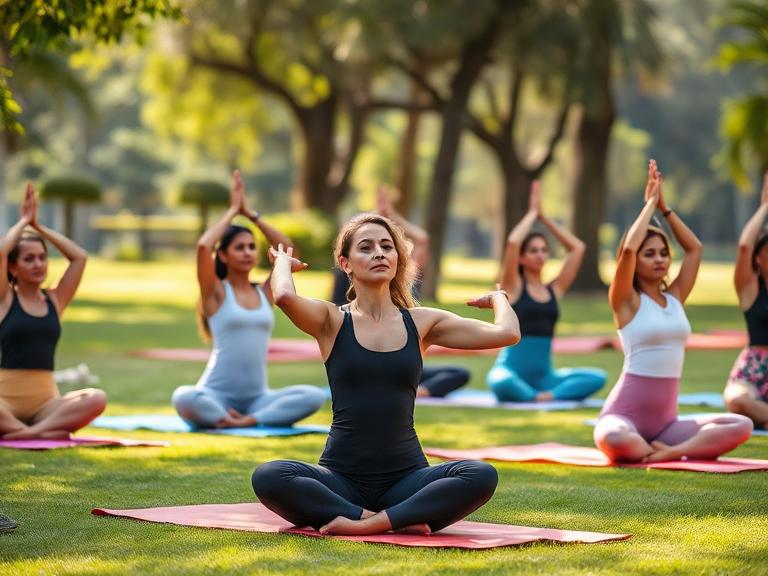
What Is Breathwork? Bridging Ancient Wisdom and Modern Science
Breathwork is an umbrella term encompassing a wide array of conscious, controlled breathing techniques designed to influence a person’s mental, emotional, and physical state. While the human body breathes automatically via the brainstem, conscious breathwork shifts the respiratory control to the cerebral cortex, allowing individuals to intentionally alter key physiological parameters including oxygen intake, carbon dioxide clearance, heart rate variability (HRV), and nervous system balance.
In Chennai, breathwork occupies a unique nexus: it connects thousands of years of classical Indian Pranayama tradition with cutting-edge Western somatic therapies and functional breathing mechanics.
1. Traditional Classical Pranayama
Originating from ancient Indian yogic scriptures such as the Hatha Yoga Pradipika and Patanjali’s Yoga Sutras, Pranayama translates to “extension or control of the vital life force (prana).” Classical techniques taught across traditional schools in Chennai emphasize slow, regulated, and subtle breath control. Key modalities include:
- Nadi Shodhana (Alternate Nostril Breathing): Balances the left and right hemispheres of the brain, calming the nervous system.
- Kapalabhati (Skull-Shining Breath): A vigorous abdominal exhalation technique designed to cleanse respiratory passages and stimulate metabolism.
- Bhastrika (Bellows Breath): Rapid, forceful inhalations and exhalation that increase energy and heat in the body.
- Bhramari (Humming Bee Breath): Generates nitric oxide in the nasal passages while soothing the vagus nerve through sound vibrations.
- Ujjayi (Ocean Breath): A slight contraction of the glottis that creates a soothing oceanic sound, building internal heat and deepening concentration.
2. Modern & Somatic Breathwork Modalities
Alongside classical schools, contemporary breathwork classes in Chennai incorporate modern Western methodologies focused on nervous system resetting, emotional release, and peak performance:
- Conscious Connected Breathing (CCB): Continuous breathing patterns without pauses between inhalation and exhalation, helping release stored tension and subconscious emotional blocks.
- Holotropic & Rebirthing Breathwork: High-energy, accelerated breathing techniques combined with music to induce altered states of consciousness, deep emotional purging, and self-discovery.
- The Buteyko Method: A functional breathing discipline focusing on nasal breathing, reduced volume, and carbon dioxide tolerance to treat asthma, sleep apnea, and hyperventilation.
- Wim Hof Method (WHM): Alternating cycles of deep hyperventilation and sustained breath retention combined with cold exposure to boost immune function and mental toughness.
- Box Breathing & Tactical Breathing: Quick-acting 4-phase static breathing patterns used by athletes and professionals to instantly lower cortisol and sharpen focus.
Science-Backed Benefits of Attending Breathwork Classes in Chennai
Attending structured breathwork sessions provides measurable biological and psychological advantages. By modulating respiratory frequency, depth, and ratios, breathwork creates systemic changes across major organ systems:
                  +-----------------------------------+
                  |   Conscious Breathwork Control    |
                  +-----------------+-----------------+
                                    |
            +-----------------------+-----------------------+
            |                                               |
            v                                               v
+-----------------------+                       +-----------------------+
|  Autonomic Modulation |                       |  Physiological Shifts |
+-----------+-----------+                       +-----------+-----------+
            |                                               |
            +-----> Vagus Nerve Stimulation                 +-----> Enhanced Nitric Oxide (Nasal)
            |                                               |
            +-----> Sympathetic Downregulation              +-----> Optimal CO2 & O2 Balance
            |                                               |
            +-----> Increased Heart Rate Variability (HRV)  +-----> Lowered Cortisol & Blood Pressure
1. Nervous System Regulation & Stress Downregulation
Modern urban life often keeps the autonomic nervous system locked in a state of chronic “fight-or-flight” (sympathetic dominance). Slow, rhythmic breathing with extended exhalations stimulates the Vagus Nerve, activating the parasympathetic nervous system (“rest-and-digest”). This lowers resting heart rate, reduces blood pressure, and curtails excess cortisol secretion.
2. Respiratory Efficiency & Lung Capacity
Living in a coastal metropolis like Chennai exposes residents to varying humidity levels and urban pollution. Functional breathwork strengthens the diaphragm—the primary respiratory muscle—improving vital capacity, optimizing gaseous exchange, and encouraging healthy nasal breathing patterns over mouth breathing.
3. Emotional Catharsis and Somatic Release
Trauma, chronic anxiety, and suppressed emotions are frequently held physically in muscular armor—specifically in the diaphragm, jaw, chest, and psoas muscles. Conscious connected breathwork alters blood chemistry temporarily, helping lower defensive psychological barriers and allowing participants to release stored emotional tension in a safe, guided setting.
4. Mental Clarity, Cognitive Focus, and Sleep Quality
Deep, structured breathing optimizes oxygen delivery to the cerebral cortex and balances carbon dioxide levels in the bloodstream. Regular practitioners report reduced brain fog, enhanced problem-solving ability, faster sleep onset, and deeper slow-wave sleep cycles.
Key Neighborhood Hubs for Breathwork Classes in Chennai
Chennai offers a rich tapestry of wellness spaces, ranging from decades-old traditional yoga institutes to modern holistic retreats and boutique somatic studios. Here is an overview of major hubs offering breathwork classes in Chennai:
| Zone / Neighborhood | Prominent Studio Focus | Typical Formats Offered | Ideal For |
| Adyar & Besant Nagar | Traditional Krishnamacharya lineages, holistic beachside retreats, eco-studios. | Classical Pranayama, Breath & Meditation, Therapeutic Breathing, Coastal Outdoor Sessions. | Beginners, seniors, holistic seekers, stress-management. |
| Mylapore & Mandaveli | Vedic Yoga Institutions, cultural centers, traditional ashram-style classes. | Authentic Hatha Pranayama, Sanskrit Mantra Chanting with Breath, Cleansing Kriyas. | Classical traditionalists, spiritual seekers, daily morning practitioners. |
| Anna Nagar & Shenoy Nagar | Modern fitness clubs, multi-disciplinary wellness centers, clinical therapy spaces. | Functional Breathing, Buteyko Therapy, Corporate Stress Relief Workshops. | Working professionals, individuals with asthma/allergies, fitness enthusiasts. |
| T. Nagar & Alwarpet | Luxury wellness centers, boutique somatic studios, executive mindfulness hubs. | Conscious Connected Breathing, Sound Bath & Breathwork Combos, VIP 1-on-1 Sessions. | Executives, high-stress individuals, somatic healing seekers. |
| East Coast Road (ECR) & OMR | Weekend retreat centers, coastal beach houses, tech-corridor wellness spaces. | Rebirthing Breathwork Intensive, Wim Hof Ice-Bath Workshops, Day-Long Immersions. | Weekend warriors, deep transformational seekers, corporate teams. |
What to Expect in a Professional Breathwork Class
If you are attending your first breathwork session in Chennai, understanding the general flow of a class can help you prepare mentally and physically:
1. Pre-Session Preparation
- Dietary Guidelines: It is strongly recommended to refrain from eating heavy meals at least 2 to 3 hours prior to a session. An empty or light stomach prevents nausea and allows the diaphragm to move freely without pressure from the digestive tract.
- Attire: Wear comfortable, breathable, loose-fitting cotton clothing. Avoid restrictive belts, tight waistbands, or high collars that restrict abdominal and chest expansion.
- Hydration: Arrive adequately hydrated, but avoid consuming large quantities of water immediately before the session.
2. Class Structure
- Intention Setting & Orientation (10–15 mins): The facilitator introduces the specific breathing mechanics (e.g., mouth vs. nose, depth, rhythm), explains potential somatic responses (such as lightheadedness, tingling, or emotional release), and sets a supportive boundary.
- Somatic Warm-Up (10 mins): Gentle spinal movements, neck rolls, shoulder rolls, or light stretching to open up the intercostal muscles, thoracic spine, and chest cavity.
- The Active Breathwork Journey (30–45 mins): Guided breath patterns accompanied by curated soundscapes, musical arrangements, or verbal cues. Facilitators may offer hands-on adjustments or acoustic instruments (gongs, singing bowls) to support the process.
- Integration & Relaxation (15–20 mins): Returning to effortless natural breathing while resting in Savasana (corpse pose). This critical phase allows the nervous system to recalibrate and assimilate the energetic and biological changes.
- Sharing Circle & Closing (10 mins): Optional sharing of experiences, groundings, and hydration with warm herbal teas.
How to Choose the Right Breathwork Class in Chennai
Because breathwork varies from gentle relaxation to intense, high-arousal somatic experiences, selecting the right style and facilitator is essential for a safe and effective practice.
Step 1: Identify Your Primary Goal
- For Stress Relief & Anxiety Management: Look for classes focused on Pranayama, slow abdominal breathing, Nadi Shodhana, or vagal nerve toning.
- For Deep Emotional Release & Trauma Healing: Seek certified facilitators trained in Conscious Connected Breathing, Rebirthing, or Holotropic Breathwork.
- For Asthma, Sleep Apnea & Breathing Mechanics: Opt for certified Buteyko Method practitioners or functional movement breathing coaches.
- For Athletic Performance & Mental Resilience: Choose Wim Hof Method workshops or high-altitude breath simulation sessions.
Step 2: Evaluate Facilitator Qualifications
Breathwork can alter blood carbon dioxide levels, blood pH, and nervous system arousal states. Ensure your instructor holds legitimate certifications from recognized bodies such as:
- Yoga Alliance (RYT with specialized Pranayama modules)
- Global Breathwork Alliance (GBA)
- International Association of Yoga Therapists (IAYT)
- Certified Buteyko or Wim Hof Method Instructors
Step 3: Check Venue Comfort and Safety Protocols
A quality breathwork studio in Chennai should offer clean air filtration (or well-ventilated open-air layouts), props (bolsters, mats, eye pillows, blankets), and clear contraindication screening before intense sessions.
Frequently Asked Questions (FAQs)
1. What are the main types of breathwork classes available in Chennai?
In Chennai, you can find traditional classical Pranayama classes (Nadi Shodhana, Kapalabhati, Ujjayi), modern Conscious Connected Breathwork, Holotropic & Rebirthing sessions, Buteyko functional breathing, Wim Hof ice-and-breath workshops, and restorative somatic breath-and-sound therapy sessions.
2. Is breathwork safe for complete beginners?
Yes, gentle breathwork and classical Pranayama are completely safe for beginners. However, if you are attending high-intensity modalities (such as Holotropic or continuous circular breathing), inform your instructor beforehand so they can guide you safely and offer modifications.
3. How does Pranayama differ from modern Western breathwork?
Pranayama is a foundational branch of classical Yoga focused on controlling life force (prana) through subtle, regulated nasal breathing patterns, locks (bandhas), and retentions (kumbhaka). Modern Western breathwork often emphasizes somatic release, emotional catharsis, circular breathing patterns (often through the mouth), and psychological integration.
4. What health conditions require caution or medical clearance before attending?
High-intensity breathwork (involving hyperventilation or prolonged retention) is contraindicated for individuals with cardiovascular disease, severe hypertension, aneurysms, epilepsy, glaucoma, retinal detachment, active psychosis, or severe PTSD, as well as pregnant women. Gentle Pranayama (like slow Nadi Shodhana) remains widely accessible but should still be cleared by a doctor.
5. Can breathwork help with respiratory allergies and Chennai pollution?
Yes. Practices that emphasize nasal breathing, diaphragm strengthening, and gentle cleansing kriyas (like Kapalabhati) help filter air through nasal cilia, stimulate nitric oxide production, strengthen lung capacity, and reduce sinus congestion common in coastal environments.
6. What should I wear and bring to a breathwork class in Chennai?
Wear loose, non-restrictive clothing made of natural, breathable fibers like cotton. Bring a personal yoga mat, a refillable water bottle, a small towel, and an eye mask or light scarf if you prefer total darkness during the integration phase.
7. How long does a typical breathwork class last?
Standard group Pranayama or functional breathing classes last between 45 to 60 minutes. Deep somatic breathwork sessions, circular breathing workshops, or sound-integrated journeys usually run for 90 to 120 minutes.
8. How often should I attend breathwork classes to see results?
For noticeable improvements in stress levels, sleep, and lung function, attending 2 to 3 classes per week is ideal. However, practicing 10–15 minutes of simple daily home breathing exercises alongside a weekly instructor-led session yields the best long-term outcomes.
9. Can I eat before a breathwork session?
It is best to fast for at least 2 to 3 hours before a breathwork session. Deep diaphragmatic movement requires an empty stomach to prevent discomfort, nausea, or digestive cramping.
10. Why do people cry or laugh during emotional breathwork sessions?
Conscious connected breathing lowers activity in the brain’s Default Mode Network (DMN) and shifts blood pH, which can bypass conscious logical defenses. This allows long-held, unprocessed emotions stored in the nervous system to discharge safely as tears, laughter, vocalizations, or muscular release.
11. What is “tetany” or tingling in the hands during intense breathwork?
Tingling, numbness, or temporary muscle tightness in the hands and face (tetany) occurs when rapid breathing blows off excess carbon dioxide, temporarily altering blood pH and calcium ion availability. It is harmless, temporary, and easily reversed by slowing down the exhalation and returning to gentle nasal breathing.
12. Are online breathwork classes in Chennai effective compared to in-person sessions?
Online classes are highly effective for foundational Pranayama, daily consistency, and gentle stress management. However, for deep somatic, emotional release, or high-intensity circular breathing, in-person classes are recommended for personal safety, physical adjustments, and container holding.
13. What is the average cost of breathwork classes in Chennai?
Group Pranayama or yoga-breath classes typically range from ₹300 to ₹800 per session (or ₹2,500 to ₹5,000 monthly). Specialized somatic breathwork, transformational workshops, or sound-bath immersions range from ₹1,200 to ₹3,500 per workshop. Private 1-on-1 therapeutic sessions cost between ₹2,000 and ₹5,000.
14. Can breathwork improve athletic endurance and sports recovery?
Yes. Functional breathwork training boosts nasal nitric oxide, improves CO2 tolerance, enhances oxygen delivery to working muscles via the Bohr effect, lowers recovery heart rates, and sharpens mental focus under physical exertion.
15. Are corporate breathwork workshops available for businesses in Chennai?
Yes. Many certified breathwork instructors and wellness centers in Chennai offer tailored corporate breathwork programs for workplaces in OMR, Guindy, and DLF Cybercity to lower workplace burnout, enhance executive decision-making, and improve team focus.