
Table of Contents
Evening Yoga Classes for Corporate Professionals in Chennai: The Complete Workspace Recovery Guide
The corporate landscape of Chennai demands high performance. From the massive IT parks lining the Old Mahabalipuram Road (OMR) corridor to the financial institutions in Guindy and the commercial hubs of Anna Nagar, professionals face long hours at desks and demanding commutes. Navigating heavy traffic on the 100 Feet Road, Mount Road, or the Madhya Kailash junction keeps the body in a state of high tension.
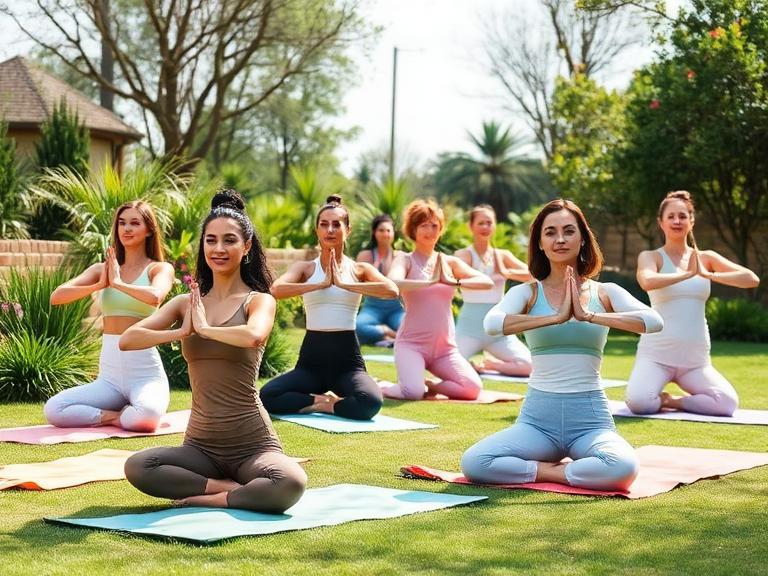
For many, this daily routine leads to physical fatigue and mental exhaustion. Finding dedicated evening yoga classes for corporate professionals in Chennai is an effective way to address the physical and emotional impact of sedentary office work. It provides an intentional transition from professional obligations to restorative personal time.
The Modern Corporate Wellness Crisis in Chennai
Working in an urban economic center takes a physical toll that extends beyond general tiredness. The human body is built for regular movement, yet modern knowledge work forces professionals to sit stationary for eight to twelve hours a day. When you combine this sedentary lifestyle with a stressful daily commute through city traffic in coastal heat, it creates an environment ripe for chronic physical and mental fatigue.
The Physical Impact of Desk Work
Sitting in an office chair for long periods alters your physical alignment. When you focus on a computer monitor, your chin naturally drifts forward. This creates a posture known as “forward head carriage” or “text neck,” which forces the small muscles at the base of your skull and across your upper back to work overtime to support your head.
Over the course of a single week, this strain can turn into painful tension headaches and chronic upper back tightness.
Simultaneously, typing on a keyboard keeps your shoulders rolled forward and your forearms tight. This slouched position compresses your thoracic spine, tightening your chest muscles and limiting the movement of your diaphragm. Because your lungs cannot expand fully, you end up taking short, shallow breaths. This deprives your tissues of oxygen and leaves you feeling sluggish and fatigued by the afternoon.
Lower down, your hips remain bent at a 90-degree angle all day, causing your hip flexors and hamstrings to shorten. When you finally stand up, these tight muscles pull on your pelvis, leading to lower back stiffness and discomfort.
The Stress of the City Commute
For a professional in Chennai, the workday doesn’t end when you leave the office. The journey home along gridlocked routes like OMR, Velachery Main Road, or the Inner Ring Road adds an extra layer of stress. Dealing with constant stop-and-go traffic, loud horns, and the humid climate keeps your nervous system on high alert.
While navigating traffic, your body unconsciously enters a mild fight-or-flight state. Your heart rate rises, your muscles tighten, and your jaw clenches. If you don’t find a way to actively release this tension after your commute, your body stores that stress. This makes it difficult to relax, disrupts your sleep, and can eventually lead to corporate burnout.
The Science of Evening Recovery: Resetting Your Nervous System
Many professionals try to relieve stress with high-impact gym sessions, running, or high-intensity interval training (HIIT) after work. While these exercises are excellent for building physical strength, they are physically demanding and keep your body in an energized, high-stress state. For an office worker who is already mentally exhausted and physically tense, a high-intensity workout can sometimes delay recovery and disrupt sleep.
Activating the Rest-and-Digest System
Evening yoga classes designed for corporate professionals focus on a different goal: transitioning your nervous system from stress to recovery. Slow, deliberate movements combined with mindful breathing help activate your parasympathetic nervous system (the rest-and-digest response).
When you slow down your movements and lengthen your exhales, you send a direct signal to your brain that you are safe. This slows your heart rate, lowers your blood pressure, and helps clear stress hormones like cortisol from your system. Instead of relying on adrenaline to power through the evening, your body relaxes, allowing your muscles to repair and your mind to quiet down.
Restoring Fascial and Joint Mobility
Sitting all day also affects your fascia—the web of connective tissue that wraps around your muscles. When you stay in one position for hours, your fascia loses moisture and grows stiff, binding your muscles together and causing that familiar post-work rigidity.
Evening yoga uses long, steady stretches to gently rehydrate this connective tissue. By moving your joints through their full range of motion, you stimulate the production of synovial fluid, which lubricates your joints and eases stiffness. This helps reverse the compression caused by sitting, leaving your body feeling spacious and light.
Key Neighborhood Hubs for Evening Corporate Yoga in Chennai
When choosing an evening yoga class, convenience is key. Finding a studio close to your workspace or along your drive home makes it much easier to stay consistent. Chennai features distinct commercial and IT zones, each with excellent local options for evening practice.
1. The OMR and Taramani IT Belt
The Old Mahabalipuram Road (OMR) and Taramani areas host vast technology parks like the Tidel Park, Ascendas IT Park, and the RMZ Millenia. Professionals here often face international shift schedules, prolonged screen exposure, and heavy mental strain.
- The Practice Style: Studios in this area specialize in evening classes that address screen fatigue and long hours of sitting. These sessions emphasize opening the chest, releasing neck tension, and gentle movements for the wrists and forearms.
- Community Benefit: Attending an evening session between 6:30 PM and 8:00 PM allows the heaviest rush-hour traffic to pass. Instead of spending that hour stressed in traffic, you spend it relaxing on your mat, making your commute home much calmer.
2. The Central Business Districts: Guindy, Nungambakkam, and Mount Road
Guindy Industrial Estate, Nungambakkam, and Mount Road form the commercial heart of Chennai, filled with corporate headquarters, financial firms, and consulting agencies. Work here is fast-paced and highly competitive.
- The Practice Style: Evening classes in these central areas often focus on traditional Hatha yoga and breathwork (Pranayama). These practices help ground your energy, balance your mind, and clear away the mental clutter of a busy day.
- Community Benefit: These central locations are highly accessible, making it easy to step straight from the office into a peaceful studio. This creates a clear boundary between your professional responsibilities and your personal evening time.
3. Residential Wellness Hubs: Adyar, Alwarpet, and Mylapore
For professionals who prefer to head closer to home before unwinding, the historic neighborhoods of South and Central Chennai—like Adyar, Alwarpet, and Mylapore—offer beautiful spaces with a focus on traditional yoga lineages.
- The Practice Style: Studios here are known for their focus on precise alignment, therapeutic practices, and restorative yoga. Classes often feature calming breathing techniques like Nadi Shodhana (alternate nostril breathing) and soothing sound practices like Yoga Nidra.
- Community Benefit: These quiet, neighborhood settings offer a peaceful escape from the busy city. Practicing closer to home means you can transition directly from your final relaxation posture into a restful evening with your family.
Evening Yoga Postures for Office Recovery
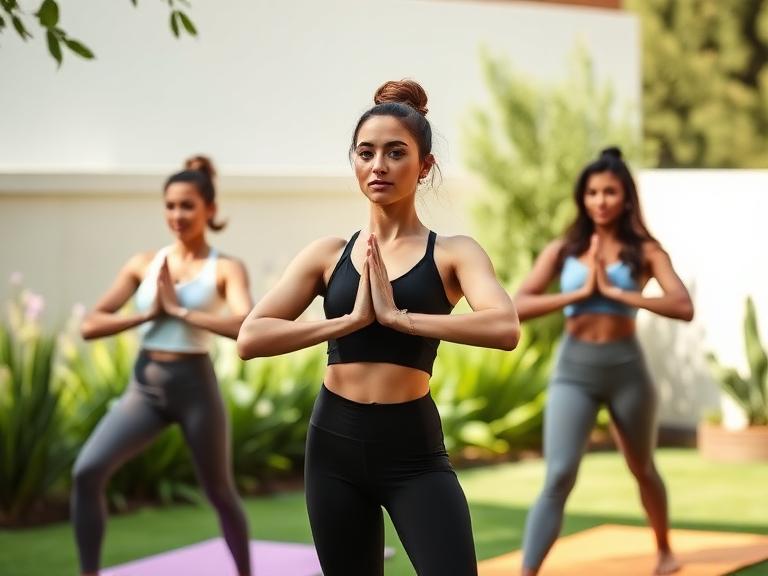
If you cannot make it to a studio, you can practice these five key restorative postures at home to help release corporate stress.
The Evening Posture Sequence
1.Supported Fish Pose (Matsyasana Modification):Duration: 5 Minutes.
Place a yoga block or a firm, rolled blanket horizontally across your mat where your upper back will rest. Gently lower yourself down so the support sits right beneath your shoulder blades, allowing your head to rest softly on the mat or an extra cushion. Extend your arms out wide to the sides, palms facing up.
Why it helps: This movement directly opens up the chest and shoulders, counteracting hours spent slouching over a keyboard.
2.Reclined Spinal Twist (Supta Matsyendrasana):Duration: 5 Minutes.
Lie flat on your back, hug your knees into your chest, and then slowly lower both knees over to the right side of your body. Extend your left arm out to the left at shoulder height, and gently turn your gaze toward your left hand. Keep both shoulders melting down flat against the floor. Hold for two and a half minutes, then slowly bring your knees across to the left side and repeat.
Why it helps: Releasing the muscles along the spine helps relieve lower back compression and improves mobility.
3.Supported Sphinx Pose:Duration: 5 Minutes.
Lie face down on your stomach. Place your elbows directly underneath your shoulders with your forearms resting flat and parallel on the mat. Press your palms down firmly and gently draw your chest forward through your upper arms, keeping your gaze soft and forward. Keep your lower back and glutes completely relaxed.
Why it helps: This gentle backbend strengthens the muscles of the spine and reverses the forward slumping caused by office chairs.
4.Legs-Up-The-Wall Pose (Viparita Karani):Duration: 5 Minutes.
Bring your mat over to an empty wall. Sit sideways against the wall, then gently roll onto your back while swinging your legs straight up against the wall. Rest your hips on a soft blanket or flat on the floor, and let your arms relax out to the sides. Deepen your breathing, allowing your belly to rise and fall naturally.
Why it helps: This gentle inversion uses gravity to improve circulation, relieve tired legs, and calm the nervous system after a long commute.
5.Deep Guided Relaxation (Savasana with Support):Duration: 10 Minutes.
Lie flat on your back. Place a large pillow or rolled blanket underneath your knees to support your lower back. Let your feet drop open naturally to the sides, and rest your arms away from your body with your palms facing up. Close your eyes, relax your jaw, and let your entire body feel heavy on the floor.
Why it helps: This final posture allows your mind and body to completely integrate the benefits of your practice, preparing you for deep sleep.
Comparing Evening Post-Work Wellness Activities
To help you choose the best way to unwind after a long corporate workday, the reference table below highlights the differences between common evening activities.
| Activity | Physical Strain | Nervous System State | Time Requirement | Impact on Sleep |
| Restorative Evening Yoga | Low; focuses on stretching and decompression. | Activates parasympathetic recovery (rest-and-digest). | 60 minutes. | Highly beneficial; improves sleep quality and helps prevent insomnia. |
| High-Intensity Gym Workouts | High; focuses on building muscle and cardio. | Activates sympathetic drive (increases adrenaline). | 60 to 90 minutes. | Can be disruptive if practiced too close to bedtime. |
| Socializing or Dining Out | Low; primarily involves sitting and talking. | Mentally engaging or stimulating. | 90 to 120 minutes. | Neutral; can be disrupted by rich food or caffeine. |
| Watching TV or Streaming | None; completely passive sitting posture. | Visually stimulating (blue light exposure). | 60 to 120 minutes. | Can delay deep rest by lowering natural melatonin levels. |
Designing a Sustainable Corporate Yoga Routine
Starting a wellness routine is easy, but keeping it up alongside a busy career requires a practical approach. Here are a few simple tips to help you build a consistent evening yoga practice.
- Set Practical Goals: Don’t worry about practicing every single day. Start by committing to two evening classes a week. Once that feels like a natural part of your routine, you can add shorter home sessions on your off days.
- Pack Your Bag the Night Before: Keep your yoga clothes, a water bottle, and a small towel packed and ready in your car or at your desk. Having everything prepared makes it much easier to head straight to class after work instead of heading home to the couch.
- Keep an Open Mind: Some days you will have the energy for a dynamic Hatha flow, while other days you will be exhausted and need a quiet, restorative yin class. Listen to your body and choose the style of practice that serves you best each evening.
FAQs
What styles of yoga are best for evening relaxation?
Restorative Yoga, Yin Yoga, and gentle Hatha Yoga are ideal for the evening. These styles focus on slow, deep stretching, mindful breathing, and long-held postures that calm the mind and prepare the body for sleep, rather than active styles that build intense heat and energy.
Can I attend an evening yoga class if I am completely inflexible?
Yes, absolutely. Yoga is not about touching your toes; it is about learning to listen to your body and release tension. Evening classes for professionals use props like blocks, straps, and blankets to make every posture accessible, regardless of your current flexibility.
How long should I wait to practice yoga after having lunch or an afternoon snack?
It is best to practice yoga on a relatively light stomach. Wait at least three to four hours after a heavy meal like lunch. If you need a boost before an evening class, a light snack like fruit or a handful of nuts one hour beforehand is perfect.
Will practicing yoga late in the evening make it difficult for me to fall asleep?
No, gentle evening yoga is designed to improve your sleep. By lowering your heart rate and releasing physical tension, these classes tell your brain it is safe to rest, helping you fall asleep faster and sleep more deeply.
What should I bring to my first evening yoga class?
Most professional studios supply mats, blocks, and props. All you need to bring is a comfortable change of clothes (like soft track pants or leggings and a t-shirt), a water bottle, and a small hand towel.
How do I stay consistent with yoga when I have unpredictable work deadlines?
Look for a studio that offers flexible class packages or multiple evening timeslots (such as 6:30 PM and 7:30 PM). If you miss a class due to a late meeting, you can easily switch to a later session or do a short 15-minute stretching routine at home.
Is evening yoga safe if I am currently dealing with lower back pain?
Yes, gentle yoga can be very therapeutic for back pain caused by sitting. However, it is essential to inform your instructor about any injuries before class begins so they can provide safe variations and protect your spine.
Can men join corporate evening yoga classes, or are they mostly for women?
Yoga is for everyone. Corporate evening classes in Chennai are highly diverse and attended by professionals of all genders, ages, and backgrounds who want to manage stress and stay healthy.
What is Yoga Nidra, and why is it often included in evening classes?
Yoga Nidra, often called “psychic sleep,” is a guided meditation practiced while lying flat on your back. It guides your mind into a deep state of relaxation between waking and sleeping, making it an excellent tool for clearing mental fatigue.
How soon will I start noticing the benefits of an evening yoga practice?
You will likely feel an immediate sense of relief and mental clarity right after your very first class. Long-term benefits—like better posture, less back pain, and improved sleep—typically develop after three to four weeks of consistent weekly practice.