
Table of Contents
Residential Elevator Installation Hyderabad | Home Lift Installation Experts
Modern homes are evolving to offer greater comfort, accessibility, and long-term convenience. As multi-storey villas, duplex homes, luxury residences, and independent houses become increasingly popular across Hyderabad, residential elevators are no longer considered a luxury reserved for premium properties. They have become practical solutions for improving mobility, enhancing safety, and increasing the overall value of a home.
Whether it’s assisting elderly family members, providing barrier-free access for individuals with mobility challenges, or simply making daily life more convenient, a home elevator offers significant benefits. Today’s residential elevators are compact, energy-efficient, aesthetically pleasing, and designed to integrate seamlessly into both new constructions and existing homes with minimal structural modifications.
Professional Residential Elevator Installation Hyderabad involves far more than simply installing an elevator cabin. It includes detailed site evaluation, architectural planning, load calculations, electrical integration, safety compliance, equipment selection, precision installation, testing, and ongoing maintenance. Choosing the right installation partner ensures smooth operation, long-term reliability, and a safe user experience.
This comprehensive guide explains everything homeowners need to know about residential elevator installation, including elevator types, planning considerations, installation procedures, safety features, maintenance practices, and the advantages of working with experienced elevator professionals in Hyderabad.
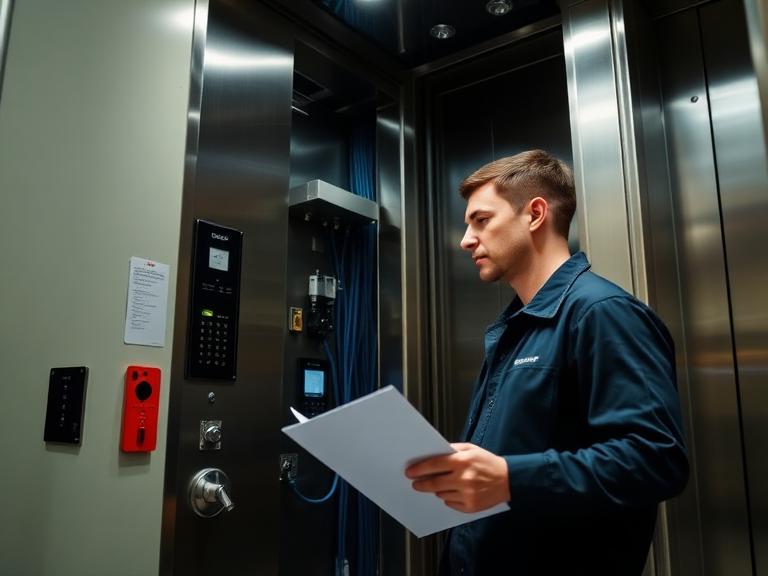
Why Residential Elevators Are Becoming Popular in Hyderabad
Hyderabad has witnessed rapid growth in premium residential developments, gated communities, luxury villas, and independent homes. Many homeowners now prioritize convenience, accessibility, and future-ready living spaces.
Residential elevators are increasingly installed for:
- Multi-storey villas
- Duplex houses
- Luxury residences
- Independent homes
- Senior-friendly homes
- Accessible housing
- Smart homes
- Renovated older buildings
Beyond convenience, home elevators improve property functionality and enhance long-term usability for families of all ages.
Benefits of Residential Elevator Installation
Installing a residential elevator offers numerous practical and lifestyle advantages.
Improved Accessibility
A home elevator enables effortless movement between floors for:
- Senior citizens
- Individuals with mobility limitations
- Wheelchair users
- People recovering from injuries
- Families with young children
This creates a more inclusive and accessible living environment.
Enhanced Safety
Using stairs may become difficult or unsafe for some residents.
Home elevators reduce the risk of:
- Slips
- Falls
- Stair-related injuries
- Fatigue when carrying heavy items
Modern elevators include multiple built-in safety systems for additional protection.
Increased Property Value
A professionally installed residential elevator can increase the appeal and resale value of a property.
Many buyers view elevators as desirable long-term investments, particularly in luxury and premium homes.
Greater Daily Convenience
Homeowners can easily transport:
- Luggage
- Groceries
- Furniture
- Laundry
- Household supplies
- Baby strollers
This significantly reduces physical effort during daily activities.
Future-Proof Living
A home elevator allows homeowners to continue using every level of the house comfortably as mobility needs change over time.
Planning ahead eliminates the need for expensive accessibility modifications later.
Types of Residential Elevators
Different homes require different elevator solutions.
Hydraulic Home Elevators
Hydraulic elevators use fluid pressure to move the cabin.
Advantages include:
- Smooth operation
- Quiet performance
- Reliable lifting
- Comfortable ride quality
They are well-suited for low- to mid-rise residential buildings.
Machine Room-Less (MRL) Elevators
MRL elevators eliminate the need for a separate machine room.
Benefits include:
- Space-saving design
- Lower construction requirements
- Energy efficiency
- Modern appearance
- Reduced maintenance
These systems are popular for contemporary homes in Hyderabad.
Traction Elevators
Traction elevators use steel ropes and a counterweight system.
Advantages include:
- High efficiency
- Long service life
- Smooth travel
- Lower operating costs
They are commonly used in larger residential properties.
Pneumatic Vacuum Elevators
Vacuum elevators use air pressure to move the cabin.
Features include:
- Minimal construction work
- Compact footprint
- Modern aesthetics
- Energy-efficient operation
These elevators are ideal for retrofitting existing homes.
Gearless Home Elevators
Gearless systems provide:
- Quiet operation
- Reduced vibration
- Lower maintenance
- Excellent energy efficiency
They are increasingly selected for premium residential projects.
Choosing the Right Residential Elevator
Several factors influence elevator selection.
Number of Floors
The total travel height determines the appropriate elevator type and lifting system.
Available Space
Professional site assessments evaluate:
- Shaft availability
- Structural layout
- Headroom
- Pit depth
- Door locations
Compact solutions are available for homes with limited space.
Passenger Capacity
Residential elevators are available in different capacities depending on household requirements.
Typical capacities range from:
- 2 persons
- 3 persons
- 4 persons
- Wheelchair-accessible configurations
Interior Design
Home elevators can complement modern architectural styles through:
- Glass cabins
- Stainless steel finishes
- Decorative lighting
- Wooden interiors
- Customized flooring
- Premium control panels
Budget
Installation costs depend on:
- Elevator type
- Travel height
- Cabin size
- Customization
- Structural modifications
- Safety features
Selecting a system that balances performance and long-term value is often more beneficial than focusing solely on the initial price.
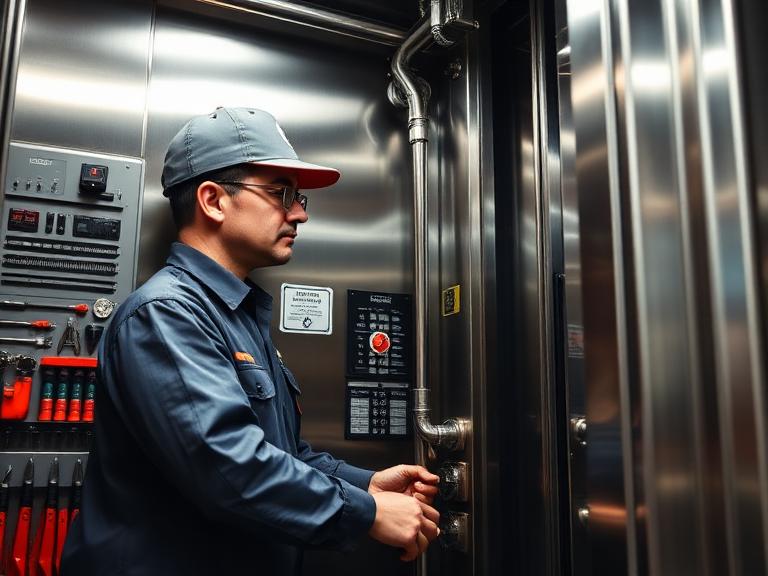
Essential Components of a Residential Elevator
A residential elevator consists of several integrated systems working together.
Key components include:
Elevator Cabin
The cabin provides a safe and comfortable passenger space.
Drive Machine
The drive machine powers elevator movement.
Guide Rails
Guide rails ensure smooth vertical travel.
Controller
The controller manages elevator movement, floor selection, safety systems, and door operation.
Door System
Automatic or semi-automatic doors improve convenience and safety.
Brake System
Fail-safe brakes secure the cabin whenever it stops or during power interruptions.
Emergency Rescue Device (ARD)
An ARD safely moves the elevator to the nearest floor during a power outage, allowing passengers to exit.
Backup Power System
Battery backup supports emergency lighting, alarms, and essential functions during electrical failures.
Safety Features in Modern Residential Elevators
Today’s home elevators incorporate advanced safety technologies.
Common safety features include:
- Automatic Rescue Device (ARD)
- Emergency alarm
- Intercom system
- Door obstruction sensors
- Overspeed governor
- Electromagnetic brakes
- Overload protection
- Battery backup
- Emergency stop button
- Automatic door locking
- Fire-resistant electrical wiring
- Smooth start and stop technology
These features enhance passenger safety and overall system reliability.
Where Residential Elevators Are Installed
Professional Residential Elevator Installation Hyderabad services cater to:
- Independent houses
- Luxury villas
- Duplex homes
- Triplex residences
- Farmhouses
- Bungalows
- Gated community homes
- Renovated heritage properties
- Senior living residences
- Smart homes
Each project is customized based on the property’s architectural design and the homeowner’s specific requirements.
Benefits of Professional Residential Elevator Installation Hyderabad
Working with experienced elevator professionals offers significant long-term advantages.
Benefits include:
- Detailed site surveys
- Customized elevator solutions
- Compliance with safety standards
- Precision installation
- Energy-efficient systems
- Professional testing and commissioning
- Long-term maintenance support
- Enhanced reliability
- Improved property value
- Peace of mind for homeowners
A professionally installed residential elevator provides years of safe, dependable, and convenient operation.
Residential Elevator Installation Hyderabad – Complete Guide (Part 2)
Step-by-Step Residential Elevator Installation Process
Installing a residential elevator requires careful planning, engineering expertise, and precision execution. Every stage—from the initial survey to final testing—plays a vital role in ensuring long-term safety, reliability, and smooth performance.
1. Site Survey and Consultation
The installation process begins with a detailed site inspection conducted by experienced elevator engineers.
During the survey, professionals evaluate:
- Available installation space
- Number of floors
- Travel height
- Structural layout
- Floor-to-floor dimensions
- Headroom availability
- Pit depth requirements
- Electrical supply
- Entry and exit locations
- Interior design preferences
This assessment helps determine the most suitable residential elevator system.
2. Selecting the Right Elevator
Based on the site survey, homeowners can choose an elevator that matches both technical requirements and lifestyle preferences.
Selection factors include:
- Elevator type (Hydraulic, Traction, MRL, Vacuum)
- Passenger capacity
- Cabin dimensions
- Door configuration
- Speed
- Interior finishes
- Energy efficiency
- Safety features
- Future maintenance requirements
Proper planning ensures the elevator integrates seamlessly with the home’s architecture.
3. Architectural and Structural Planning
If the home is under construction, elevator requirements are incorporated into the building plans.
For existing homes, engineers assess:
- Structural strength
- Shaft feasibility
- Foundation requirements
- Wall modifications
- Floor openings
- Access points
Modern residential elevators often require only minimal structural alterations, especially compact Machine Room-Less (MRL) and vacuum elevator systems.
4. Shaft Preparation
Depending on the selected elevator model, the shaft is prepared to accommodate the lift safely.
Preparation includes:
- Guide rail supports
- Landing openings
- Electrical conduits
- Ventilation
- Waterproofing (if required)
- Pit construction (where applicable)
Accurate shaft construction contributes to smoother elevator operation.
5. Electrical Installation
A dedicated electrical supply is installed before equipment delivery.
Electrical work includes:
- Main power connection
- Distribution panel
- Earthing system
- Circuit breakers
- Backup power connection
- Emergency lighting circuit
- Controller wiring
- Communication cables
Proper electrical installation ensures stable and reliable elevator performance.
6. Guide Rail Installation
Guide rails are mounted inside the shaft using precision alignment equipment.
Proper alignment:
- Minimizes vibration
- Improves ride quality
- Extends component lifespan
- Reduces maintenance
7. Machine and Drive System Installation
Technicians install:
- Drive machine
- Motor
- Traction sheave (for traction elevators)
- Hydraulic power unit (for hydraulic lifts)
- Suspension system
- Counterweight assembly (where applicable)
All components are securely anchored and aligned according to manufacturer specifications.
8. Cabin Installation
The elevator cabin is assembled and installed carefully.
Installation includes:
- Cabin frame
- Cabin enclosure
- Flooring
- Ceiling
- Lighting
- Handrails
- Operating panel
- Emergency controls
Interior finishes are selected to complement the home’s design.
9. Door Installation
Landing doors and cabin doors are installed with precision.
Door systems may include:
- Automatic sliding doors
- Centre-opening doors
- Side-opening doors
- Swing doors (for certain home lift models)
Door sensors are calibrated to prevent accidental closing while passengers enter or exit.
10. Controller Configuration
The controller acts as the brain of the elevator.
Engineers configure:
- Travel limits
- Floor positions
- Door timing
- Acceleration
- Deceleration
- Emergency operation
- Safety monitoring
- Automatic Rescue Device (ARD)
Modern microprocessor-based controllers improve reliability and energy efficiency.
11. Safety Testing and Commissioning
Before handover, extensive testing ensures every component operates safely.
Testing includes:
- Empty load operation
- Rated load testing
- Door safety testing
- Emergency stop verification
- Brake testing
- Floor leveling accuracy
- ARD testing
- Battery backup verification
- Alarm and intercom testing
- Multiple travel cycles
Only after successful completion of all tests is the elevator commissioned for use.
Structural and Electrical Requirements
Every residential elevator project has unique technical requirements.
Typical requirements include:
- Stable foundation
- Adequate shaft dimensions
- Sufficient headroom
- Appropriate pit depth (if required)
- Single-phase or three-phase electrical supply
- Proper grounding
- Dedicated electrical circuit
- Ventilation
- Waterproof machine area
- Fire-safe electrical installation
Professional planning ensures compliance with local building regulations and manufacturer guidelines.
Installation Timeline
The installation duration depends on the project scope and elevator type.
Approximate timelines:
| Stage | Estimated Duration |
|---|---|
| Site Survey & Design | 3–7 Days |
| Engineering & Planning | 1–2 Weeks |
| Equipment Manufacturing | 4–8 Weeks |
| Site Preparation | 1–2 Weeks |
| Elevator Installation | 7–15 Days |
| Testing & Commissioning | 2–3 Days |
The overall schedule may vary based on customization, civil work, and equipment availability.
Modern Technologies Used in Residential Elevators
Machine Room-Less (MRL) Technology
MRL elevators eliminate the need for a separate machine room.
Advantages include:
- Space savings
- Lower construction costs
- Energy efficiency
- Simplified maintenance
Gearless Drive Systems
Gearless motors provide:
- Quiet operation
- Smooth acceleration
- Reduced energy consumption
- Minimal maintenance
Automatic Rescue Device (ARD)
ARD systems automatically move the elevator to the nearest floor during a power outage, allowing passengers to exit safely.
Smart Elevator Controls
Modern controllers offer:
- Touchscreen interfaces
- Diagnostic monitoring
- Fault logging
- Remote troubleshooting
- Energy optimization
IoT-Based Monitoring
Advanced residential elevators can be equipped with Internet of Things (IoT) monitoring for:
- Remote health checks
- Predictive maintenance alerts
- Performance tracking
- Faster service response
Energy-Efficient LED Lighting
LED lighting provides:
- Low power consumption
- Long operational life
- Better cabin illumination

Preventive Maintenance for Residential Elevators
Routine maintenance keeps the elevator operating safely and efficiently.
Monthly Visual Inspection
Technicians inspect:
- Cabin condition
- Doors
- Buttons
- Lighting
- Indicators
- Unusual noises
Mechanical Inspection
Routine checks include:
- Guide rails
- Drive machine
- Brake system
- Suspension components
- Door mechanisms
Electrical Inspection
Electrical maintenance covers:
- Controller
- Wiring
- Safety circuits
- Battery backup
- ARD operation
- Power supply
Lubrication
Moving mechanical parts receive manufacturer-approved lubricants to reduce wear and friction.
Safety Device Testing
Routine testing verifies:
- Emergency alarm
- Door sensors
- Brake operation
- Overspeed protection
- ARD functionality
Annual Comprehensive Service
A detailed annual inspection evaluates:
- Overall elevator condition
- Structural components
- Mechanical systems
- Electrical equipment
- Safety devices
- Controller software
Common Mistakes to Avoid
Avoiding these mistakes helps maximize elevator performance and lifespan.
Choosing an Elevator Based Only on Price
The least expensive option may not provide the best long-term reliability or maintenance support.
Ignoring Future Accessibility Needs
Planning for future mobility requirements increases the long-term value of the investment.
Skipping Preventive Maintenance
Routine servicing helps identify wear before major failures occur.
Using Unqualified Installers
Residential elevators should always be installed by experienced professionals with expertise in home lift systems.
Overlooking Backup Power
Emergency backup systems improve passenger safety during power failures.
Delaying Minor Repairs
Addressing small issues promptly prevents larger, more expensive repairs later.
Why Choose Professional Residential Elevator Installation in Hyderabad?
Professional installation provides long-term safety, reliability, and peace of mind.
Advantages include:
- Customized home elevator solutions
- Certified installation engineers
- Detailed structural assessment
- Premium-quality components
- Advanced safety systems
- Precision installation
- Comprehensive testing
- Maintenance support
- Technical assistance
- Long-term operational reliability
Professional installation ensures that the elevator integrates seamlessly into the home while providing dependable daily performance.
Frequently Asked Questions
1. Can a residential elevator be installed in an existing home?
Yes. Many modern home elevators are specifically designed for retrofitting into existing houses with minimal structural modifications.
2. How much space is required for a home elevator?
Space requirements depend on the elevator type, cabin size, and travel height. Compact models are available for homes with limited space.
3. Are residential elevators safe?
Yes. Modern residential elevators include multiple safety systems such as Automatic Rescue Devices (ARD), emergency alarms, door sensors, fail-safe brakes, overload protection, and battery backup.
4. How often should a residential elevator be serviced?
Preventive maintenance is typically recommended several times a year, with the exact schedule depending on usage and the manufacturer’s recommendations.
5. Can home elevators operate during power failures?
Many modern residential elevators include an Automatic Rescue Device (ARD) and battery backup that safely move the cabin to the nearest floor during a power interruption.
6. Do residential elevators increase property value?
Yes. A professionally installed home elevator often enhances accessibility, convenience, and the overall market appeal of multi-storey residential properties.
Conclusion
Residential elevators have become an essential feature in many modern homes, offering convenience, accessibility, enhanced safety, and long-term value. Whether installed in a newly constructed villa or retrofitted into an existing duplex, a well-designed home elevator simplifies daily life while supporting independent living for people of all ages.
Professional Residential Elevator Installation Hyderabad combines careful planning, structural assessment, precision engineering, advanced safety features, and comprehensive testing to deliver a dependable and future-ready vertical transportation solution. By choosing experienced installation specialists and following a preventive maintenance schedule, homeowners can enjoy years of safe, smooth, and energy-efficient elevator performance.